How To Fix Smart Humidifier Transducer Ceramic Ring Cracking?
Your smart humidifier stops misting one day. You open it up and find a cracked ceramic ring on the transducer. This is a common problem, and it can feel frustrating.
The transducer is the heart of your humidifier. It vibrates at high speed to turn water into fine mist. The ceramic ring sits on top of this part, and it takes a lot of stress over time.
Cracks happen for many reasons. Hard water, old age, and rough handling all play a part. Sometimes a small drop or bump causes damage you cannot see right away.
In a Nutshell
- Ceramic ring cracks often come from hard water buildup. Mineral deposits stress the ring over time.
- Age plays a big role too. Older transducers become brittle and crack easily.
- Overuse without breaks can overheat the ceramic ring. This weakens its structure fast.
- Cleaning matters a lot. Skipping regular cleaning lets mineral scale form and crack the ring.
- Physical shocks like drops or bumps can cause instant damage. Handle your humidifier gently.
- A cracked ring usually stops the misting function completely. Some units may still run but produce weak mist.
- You can often fix minor cracks with careful cleaning and descaling. Severe cracks need a full transducer replacement.
- Using distilled or filtered water helps prevent future cracking. This simple habit protects the ceramic ring long term.
- Regular maintenance checks catch small issues early. This saves you from bigger repairs later.
- Understanding your humidifier’s parts helps you troubleshoot faster. It also helps you decide when to call for professional help.
What Is a Transducer Ceramic Ring and How Does It Work
A transducer ceramic ring is a small, disc shaped component inside your smart humidifier. It vibrates at high speeds to break water into tiny mist particles. This ring sits at the bottom of the water tank or in a separate mist chamber.
The ceramic material works perfectly for this job because it can handle constant vibration without wearing down quickly. When electricity flows through the transducer, it creates ultrasonic vibrations. These vibrations are too fast for your ears to hear, but they’re powerful enough to push water upward through tiny holes in the ceramic ring.
The mist you see rising from your humidifier comes directly from this vibrating action. Think of it like a speaker that vibrates so fast it creates sound waves. In this case, the vibrations create water droplets instead of sound waves.
The ceramic ring connects to an electronic component called a piezoelectric element. This element receives electrical signals from your humidifier’s control board. It then converts that electrical energy into mechanical vibrations that shake the ceramic ring back and forth thousands of times per second.
Quality matters here because the vibrations never stop during operation. The ceramic must stay strong and flexible enough to handle this constant movement. Even tiny cracks break this vibration pattern and stop mist production completely.
Water quality affects how long your ceramic ring lasts. Hard water leaves mineral deposits on the ring’s surface. These deposits build up over time and create stress points where cracks start to form.
The ring’s thickness usually measures just a few millimeters. Despite its small size, it does heavy lifting inside your humidifier. Understanding how it works helps you appreciate why maintenance keeps it functioning properly.
Common Causes of Ceramic Ring Cracking
Hard water contains minerals like calcium and magnesium. These minerals stick to your ceramic ring over time. The buildup creates a crusty layer that interferes with vibration.
When minerals accumulate, they add extra weight to the ceramic. This weight forces the ring to work harder than it should. The increased strain eventually causes small cracks to form.
Temperature changes make this problem worse. When your humidifier runs continuously, the ceramic heats up. Then it cools down when you turn it off. This heating and cooling cycle puts stress on the material. Repeated stress leads to crack formation.
Mineral deposits also become rock hard. They don’t just sit on the surface. They actually bond to the ceramic itself. Removing them later becomes very difficult. The longer you wait, the harder removal becomes.
Tap water is the main culprit here. Different regions have different water hardness levels. Areas with very hard water see more ceramic damage. Softer water areas experience fewer problems with cracking.
The vibration frequency matters too. Your ceramic ring vibrates thousands of times per second. Mineral buildup changes how the ring vibrates. Uneven vibration puts pressure on certain spots. These pressure points become weak areas where cracks start.
Descaling removes mineral buildup before it causes damage. Regular descaling keeps your ceramic ring clean and healthy. A clean ring vibrates evenly across its entire surface. Even vibration means less stress and fewer cracks.
Neglecting descaling speeds up the cracking process significantly. A humidifier that never gets cleaned will fail faster. The ceramic won’t last as long without proper care.
Understanding mineral buildup helps you prevent it. You now know why hard water causes problems. You can take action to protect your humidifier. Regular maintenance stops this damage from starting in the first place.
Signs Your Humidifier Has a Cracked Transducer Ring
Your smart humidifier shows specific warning signs when the transducer ceramic ring develops cracks. Learning to spot these signals early helps you take action before complete failure happens.
The most obvious sign is reduced or no mist output. If your humidifier runs but produces little to no visible mist, the ceramic ring likely has damage. The vibrations cannot travel properly through cracks, so water doesn’t atomize into fine droplets anymore.
Listen for unusual sounds coming from the device. A cracked ceramic ring creates rattling, buzzing, or grinding noises that sound different from normal operation. These sounds happen because the broken pieces vibrate against each other instead of moving as one solid unit.
Check for water leaking around the base or mist outlet. When cracks form, water seeps through instead of being converted to mist. You might notice puddles forming where the humidifier sits, or water dripping from areas that normally stay dry.
Pay attention to performance inconsistency. The mist output might work fine one moment, then stop the next. Intermittent misting indicates the ceramic ring has partial damage that worsens with each cycle.
Feel the vibration level by placing your hand near the mist chamber. A healthy transducer vibrates steadily and smoothly. A cracked ring produces jerky, uneven vibrations or feels like it’s shaking excessively.
Watch for error messages on your smart humidifier’s display. Many modern models detect transducer problems and show alerts. These notifications tell you the device recognizes something is wrong with the misting system.
Visible cracks are the clearest indicator. If you can access the transducer chamber, look directly at the ceramic ring. Small hairline fractures or larger splits mean replacement or repair is necessary.
These signs help you catch problems early. Addressing them quickly prevents further damage to other humidifier components.
Step-by-Step Guide to Repairing or Replacing a Cracked Ceramic Ring
Before you start any repair work, unplug your humidifier completely. This keeps you safe from electrical shock. Let the device cool down for at least 30 minutes if it was recently running.
Next, locate the water tank and empty it fully. Most smart humidifiers have a removable tank that twists or slides off. Set it aside in a safe place.
Find the access panel or cover that protects the transducer chamber. Check your device manual for the exact location. You may need a small screwdriver to remove screws holding this panel in place.
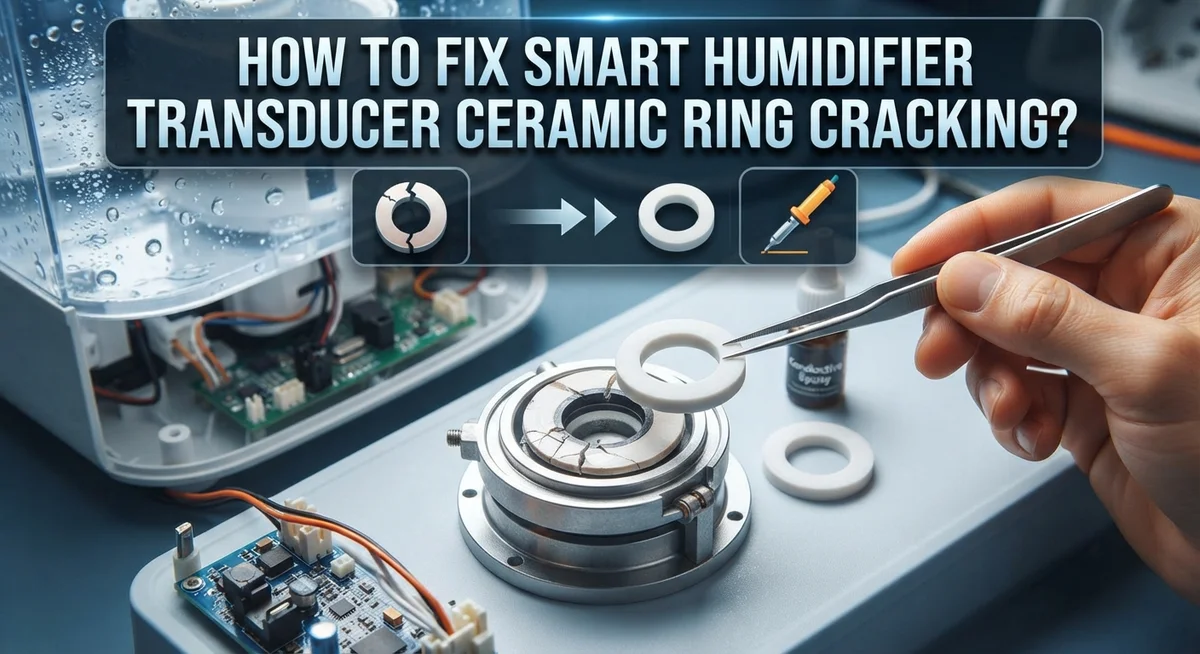
Gently lift the panel away from the main unit. Look inside for the ceramic ring. It sits at the bottom of the mist chamber, usually attached to a metal or plastic base.
Examine the ceramic ring closely under good lighting. Take photos of any cracks you see. This helps you understand the damage before deciding on repair or replacement.
For small hairline cracks, some people apply food grade epoxy designed for water contact. Clean the ceramic ring first with distilled water and let it dry completely. Apply the epoxy according to product instructions and allow full curing time before reassembly.
For larger cracks or complete breaks, replacement is your best option. The ceramic ring typically connects with a simple clip or screw mechanism. Carefully remove the old ring by undoing these fasteners.
Install the new ceramic ring in the same position. Make sure it sits flush and secure. Reattach all fasteners firmly but avoid overtightening, which can crack the new ceramic.
Replace the access panel and tighten all screws. Refill your water tank with distilled water. Plug in your humidifier and test it on a low setting first.
Listen and watch for normal operation. The mist should flow smoothly without unusual sounds or vibrations.
Tools and Materials Needed for the Repair Process
Before you begin fixing your smart humidifier’s transducer ceramic ring, gather the right tools and materials. Having everything ready makes the job faster and safer.
You’ll need a small screwdriver set with both Phillips and flathead options. Different screws hold your humidifier’s access panel in place. A magnetic screwdriver helps prevent losing tiny fasteners inside the device.
Get a flashlight or headlamp for better visibility. The transducer chamber sits deep inside your humidifier. Good lighting lets you see cracks clearly and work more carefully.
Prepare some clean, lint free cloths or microfiber towels. You’ll use these to dry internal parts after opening the unit. Water droplets left inside can cause electrical problems later.
Have distilled water available for rinsing. Tap water contains the minerals that caused your problem in the first place. Distilled water won’t leave new deposits on your ceramic ring.
If you’re replacing the ceramic ring, get a replacement unit designed for your specific humidifier model. Ceramic rings come in different sizes and vibration frequencies. Using the wrong one won’t work properly.
Consider keeping food grade epoxy on hand for small hairline cracks. This waterproof adhesive works on ceramic surfaces. Make sure any epoxy you choose is safe for water contact.
Wear safety glasses while working. Small ceramic pieces can break off and fly toward your face. Protect your eyes during the entire repair process.
Have paper towels nearby to catch water spillage. You’ll empty the tank and may spill water when accessing internal parts. Towels prevent water damage to your work surface.
Keep your humidifier’s manual close by. It shows you exactly where screws go and how components fit together. This reference guide saves time and prevents reassembly mistakes.
Set up your workspace on a clean, flat surface with good lighting. Organization prevents lost parts and makes repairs go smoothly.
Preventive Maintenance Tips to Avoid Future Cracking
Preventing ceramic ring cracks saves you time and money. The best approach is consistent water maintenance. Use distilled water instead of tap water in your humidifier. Tap water contains minerals that build up on the ceramic ring. This buildup creates stress points where cracks develop.
Empty and refill your water tank every two to three days. Stagnant water encourages mineral deposits and bacterial growth. Both problems damage the ceramic ring over time. Clean the tank thoroughly each time you refill it.
Avoid overfilling the water tank. Excess water puts pressure on the transducer chamber. This pressure causes the ceramic ring to vibrate excessively. Excessive vibration leads to stress fractures and eventual cracking.
Run your humidifier on lower settings when possible. High intensity settings make the ceramic ring vibrate more aggressively. Lower settings reduce strain on the component. Your humidifier still works effectively at medium or low speeds.
Keep the humidifier on a flat, stable surface. Uneven placement causes vibrations to travel through the unit. These vibrations concentrate stress on the ceramic ring. A sturdy, level surface distributes vibrations more evenly.
Clean the transducer chamber monthly. Mineral deposits accumulate even with distilled water. Use a soft cloth to gently wipe the ceramic ring. Never scrub or apply excessive pressure during cleaning.
Maintain proper humidity levels in your room. Running your humidifier constantly strains the ceramic ring. Use a hygrometer to monitor humidity. Turn off the device once your room reaches 40 to 60 percent humidity.
Store your humidifier in a cool, dry place during off seasons. Temperature changes and moisture exposure weaken ceramic materials. Proper storage extends the component’s lifespan significantly.
Replace water filters as recommended by your device manual. Clean filters prevent mineral buildup in the transducer chamber. Regular filter changes protect your ceramic ring from damage.
Follow these maintenance steps consistently. You’ll dramatically reduce the chance of ceramic ring cracking.
Troubleshooting Persistent Issues After Repair
After you complete a repair or replacement, your humidifier may still show signs of trouble. These persistent issues need careful attention to identify the real cause.
Check water quality first. Hard water leaves mineral deposits that damage ceramic rings over time. If your tap water has high mineral content, these deposits build up inside the transducer chamber. This buildup creates stress on the ceramic ring, even after you replace it. Switch to distilled water for your humidifier. This simple change prevents future damage and extends the life of your new ceramic ring.
Listen for unusual sounds coming from your device. Grinding, squeaking, or rattling noises mean something isn’t seated properly. The ceramic ring may not be positioned correctly in its housing. Open the access panel again and verify the ring sits flush against the chamber base. Make sure all screws are tight but not over tightened, as this can crack the ceramic.
Test your humidifier with short operating cycles. Run it for just 15 minutes, then let it rest. This helps you spot problems early before they become serious. Watch for leaking around the transducer chamber. Leaks suggest the ceramic ring isn’t creating a proper seal.
Examine your water tank for cracks too. A damaged tank allows air to enter the system, which disrupts the transducer’s vibration pattern. This puts extra strain on the ceramic ring. Replace the tank if you find any damage.
If problems continue after these checks, the issue may be electrical. The transducer itself could be failing, not just the ceramic ring. In this case, you need to replace the entire transducer assembly. Contact your humidifier manufacturer for guidance on ordering the correct part for your specific model number.
Final Thoughts
Fixing a cracked ceramic ring on your smart humidifier’s transducer does not have to feel overwhelming. With the right tools and a bit of patience, you can restore your device to full working order. Small cracks often respond well to careful cleaning and epoxy application, while larger damage calls for a full replacement.
Your humidifier plays a big role in keeping your home comfortable. Taking care of the transducer ring helps the whole unit run smoothly for a longer time. Regular maintenance remains your best defense against future cracking.
Remember that prevention beats repair every time. Simple habits like emptying your tank often and cleaning the chamber monthly go a long way. These small actions protect your investment and keep your air quality consistent.
If you ever feel unsure about a repair step, take your time. Rushing through the process can lead to mistakes or further damage. Double check each connection before you close up the unit and turn it back on.
Every humidifier model works a bit differently, so always refer to your specific manual when possible. This guide gives you the general steps, but your device may have unique features. Understanding your particular model helps you make better repair decisions.
Fixing appliances yourself builds confidence and saves money over time. You do not need to be a professional technician to handle this kind of repair. With patience and the right approach, most people can successfully complete this task.
Keep this guide handy for future reference. Ceramic rings may crack again someday, and you will already know what steps to follow. Being prepared makes any future repair much easier to handle.
Your smart humidifier deserves proper care to function well for years. Taking action now prevents bigger problems later. A well maintained device brings comfort and better air quality to your entire home.
Frequently Asked Questions
Can I use regular tap water in my humidifier to prevent ceramic ring damage?
No, tap water contains minerals that build up on the ceramic ring. This buildup creates stress points where cracks form. Distilled water is your best choice because it has no minerals. Filtered water works as a second option. Mineral deposits are one of the top causes of ceramic ring failure, so switching to distilled water alone can extend your transducer’s life significantly.
How often should I inspect my ceramic ring for early signs of cracking?
Check your ceramic ring every month during your regular cleaning routine. Look for hairline cracks, white mineral deposits, or visible damage. Early detection helps you catch problems before they worsen. If you spot a small crack, you can seal it with food grade epoxy before it spreads. This simple monthly habit saves you from unexpected humidifier breakdowns.
What causes the ceramic ring to crack faster in some homes than others?
Hard water is the main culprit. Homes with high mineral content in their water experience faster ceramic degradation. Vibration and movement also speed up cracking. If your humidifier sits on an unstable surface or gets jostled around, the ceramic ring takes more stress. Humidity levels matter too. Running your humidifier constantly at high settings puts extra strain on the transducer. Keeping your device on a firm, level surface and using lower settings helps protect the ceramic ring longer.
Is a cracked ceramic ring always a reason to replace the entire humidifier?
Not always. Small hairline cracks can be repaired with food grade epoxy. Medium cracks usually require replacing just the ceramic ring itself. Only severe damage or multiple large cracks means replacing the whole transducer unit. Most smart humidifiers are designed so you can swap out the transducer chamber without buying a new device. Check your manual to see if replacement parts are available for your specific model.

Hi, I’m Rosie Tate — a tech enthusiast, gadget geek, and the creator of RapidConvertLab! 🚀 I’ve spent years exploring the ever-evolving world of electronics, smart devices, and Amazon’s hidden tech treasures. Through my honest, hands-on reviews, I help everyday shoppers cut through the noise and pick gadgets that truly deliver value. When I’m not testing a new device, I’m probably unboxing one! 📦✨