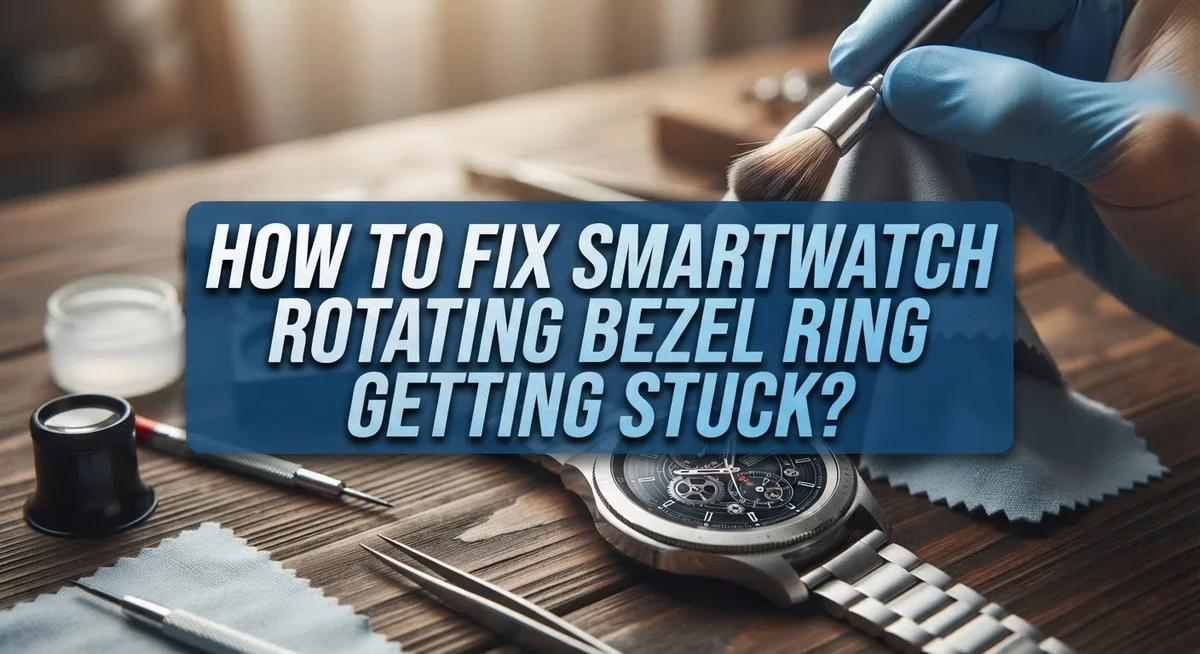
How To Fix Smartwatch Rotating Bezel Ring Getting Stuck?
Your smartwatch bezel should spin with a smooth, satisfying click. But sometimes it starts to feel sticky or stiff. Turning it becomes a real chore instead of a simple gesture.
This problem is common on rotating bezel smartwatches, especially Samsung Gear S3 and Galaxy Watch models. Dust, dirt, and tiny debris sneak under the ring over time. Internal bearings can also shift out of place.
The good news is you can often fix this yourself at home. You do not need to send your watch away or pay for expensive repairs.
In this guide, we will show you exactly how to diagnose a stuck bezel. You will learn which tools help you pop off the ring safely. We will also cover how to clean the internal mechanisms properly.
By the end, you will know how to reassemble everything correctly. Your bezel will click and spin like new again. Let’s get your smartwatch feeling factory fresh in just a few simple steps.
In a Nutshell
Here’s a quick summary to fix your stuck smartwatch bezel:
-
Debris and dirt often cause the bezel to stick. Dust and grime build up under the ring over time.
-
Gently pop off the bezel using a thin flathead screwdriver or spludger. Take your time and avoid forcing it.
-
Clean the internal click bearings carefully. This is where most of the stickiness comes from.
-
Dip a Q-tip in rubbing alcohol and clean the bezel track thoroughly. Make sure no residue remains.
-
Reinstall the springs and bearings correctly. They must sit properly for smooth rotation.
-
Snap the bezel ring back firmly into place. You should feel it click into position.
Avoid rushing this process. Using too much force can crack or damage the bezel. Skipping the bearing check often leads to the same problem returning.
With patience and the right tools, your watch can feel brand new again. A clean bezel means smooth clicks every time you turn it.
Why Smartwatch Bezel Rings Get Stuck
Smartwatch bezel rings get stuck for a few clear reasons. Understanding what causes the problem helps you fix it properly.
Debris buildup is the most common culprit. Dust, lint, and dirt collect in the tiny gap between the bezel ring and the watch body. Over time, this buildup makes rotation stiff and difficult. The debris works its way into the internal click bearings, which are small mechanical parts that create the satisfying clicking sensation when you turn the bezel.
Moisture and sweat also play a role. If your watch gets wet frequently or you wear it during intense workouts, water can seep into the bezel mechanism. This moisture mixes with dust and creates a sticky paste. The bearings corrode slightly, and the smooth rotation becomes rough and stuck.
Internal bearing misalignment happens when the bezel takes a hard impact or falls. The click bearings can shift out of position, causing friction when you try to rotate the ring. The bezel feels like it’s grinding rather than clicking smoothly.
Dried lubricant inside the mechanism can also cause problems. The factory lubricant sometimes dries out or thickens after months of use. This makes the bezel feel sluggish and resistant.
The good news is that most stuck bezels are fixable at home. The problem usually sits right on the surface or in the shallow internal tracks. You don’t need professional repair for typical debris or dried lubricant issues. By cleaning the mechanism carefully and reassembling it properly, you restore that smooth, satisfying click your watch originally had.
Tools You’ll Need Before You Start
Before you start fixing your stuck smartwatch bezel, gather the right tools. Having everything ready prevents frustration and keeps your watch safe during the repair.
A thin flathead screwdriver works best for gently separating the bezel from the watch body. If you don’t have one, a spludger (a plastic prying tool) is even better since it won’t scratch the metal. The key is using something thin enough to slip into the tiny gap without damaging the watch frame.
Q-tips are essential for cleaning tight spaces inside the bezel mechanism. You’ll need several because they get dirty quickly. Grab a fresh pack to ensure you have plenty on hand.
Rubbing alcohol is your cleaning solution. This liquid cuts through dried lubricant and debris without harming electronic components. A small bottle is all you need. Make sure it’s at least 70% isopropyl alcohol for effective cleaning.
A small bowl or cup holds your rubbing alcohol while you work. This keeps the liquid accessible and prevents spills on your watch.
Paper towels or lint-free cloths help dry components after cleaning. Regular paper towels work fine, though microfiber cloths are gentler on delicate parts.
Consider having a magnifying glass nearby. The internal bearings and springs are tiny, and seeing them clearly makes the job easier.
Optional lubricant like WD-40 can help after cleaning, but only use it sparingly. Many people successfully fix stuck bezels without adding new lubricant.
Finally, keep a small container ready for tiny springs and bearings you’ll remove. Losing these small parts means your repair fails, so organization matters.
Step-by-Step: Removing the Bezel Ring Safely
Now that you have your tools ready, it’s time to remove the bezel ring. This step requires patience and a gentle touch. Work slowly to avoid damage to your watch.
Start by locating the small gap between the bezel ring and the watch body. This gap is where you’ll insert your thin flathead screwdriver or spludger. Position your tool at a slight angle into this gap.
Apply gentle, steady pressure to create a small separation. Do not force the bezel upward suddenly. The goal is to gradually create enough space to lift the ring free. Move your screwdriver around the entire bezel circumference, lifting a little bit at different points.
Once you’ve created enough space, you can carefully lift the bezel ring off by hand. Set it on a clean, soft surface immediately. This protects the ring from scratches and keeps it safe during cleaning.
Inspect the area where the bezel sat on the watch body. You’ll likely see debris, dust, and dried lubricant accumulated here. This buildup is the main reason your bezel got stuck.
Look closely at the internal click bearings and the track where the bezel rotates. These components need thorough cleaning to restore smooth operation. Take a moment to observe how everything fits together before proceeding.
If you notice any springs or small metal pieces that have shifted, note their position. You’ll need to reinstall them correctly later. Taking a quick photo with your phone can help you remember the exact arrangement.
Never rush this removal process. Forcing the bezel can crack the ring or damage the watch body permanently. Gentle, methodical work prevents costly mistakes and ensures successful repair.
Cleaning the Click Bearings and Bezel Track
The click bearings and bezel track are the heart of your rotating mechanism. When these parts get dirty, your bezel stops moving smoothly. Cleaning them properly restores your smartwatch to working condition.
Start by examining the internal click bearings closely. These small metal pieces create the satisfying clicking sensation when you rotate the bezel. Debris and dried lubricant often accumulate around them, causing resistance.
Use a Q-tip soaked in rubbing alcohol to clean the bezel track. This is the circular groove where your bezel ring sits and rotates. Work slowly around the entire track, using gentle circular motions. You may need several Q-tips as the first ones pick up dirt and grime.
Pay special attention to the corners and crevices of the track. Dirt loves hiding in these spots. Change your Q-tip frequently to avoid spreading debris around instead of removing it.
Next, focus on the click bearings themselves. These tiny components need careful attention. Dip a fresh Q-tip in rubbing alcohol and gently clean around each bearing. Don’t apply pressure directly on the bearings, as this can knock them out of position.
Inspect the bearings as you clean. They should sit evenly in their slots. If any bearing looks misaligned, you may need to gently nudge it back into place using your screwdriver.
Allow all components to air dry completely. Rubbing alcohol evaporates quickly, usually within one to two minutes. Once everything is dry, the mechanism should feel noticeably smoother. Your bezel ring will rotate with the crisp, responsive feel it had when new.
Reassembling and Snapping the Bezel Back Into Place
Now comes the moment you’ve been waiting for. Your bezel is clean, the click bearings are back in place, and everything is dry. It’s time to snap the bezel ring back onto your smartwatch.
Align the bezel ring carefully with the watch body. Look for any small notches or markers on both the ring and the watch case. These alignment points help you position the bezel correctly. Line them up before you proceed.
Hold the watch firmly in one hand. Position the bezel ring directly above the watch body. Make sure the internal components sit exactly where they should. Take your time with this step because proper alignment prevents future problems.
Apply gentle, even pressure around the entire bezel ring. Start at one point and work your way around the circumference. Push down slowly and steadily. You should hear small clicks as the bezel snaps into its grooves. These clicks mean everything is seating properly.
Don’t rush this process. If the bezel doesn’t snap down smoothly, stop and check your alignment. Forcing it can damage the click bearings you just cleaned. The bezel should fit snugly without excessive pressure.
Once the ring is fully seated, rotate it gently. It should move smoothly through its full range. The clicks should feel consistent and responsive. If you notice any sticking or grinding, remove the bezel and inspect the internal components again.
Test the rotation several times before you finish. Rotate clockwise and counterclockwise through multiple complete cycles. The bezel should feel smooth and satisfying. Your repair is complete when the rotation feels like new.
Common Mistakes That Cause Further Damage
When you try to fix a stuck smartwatch bezel, certain mistakes can cause serious damage. Understanding what to avoid helps you succeed with your repair.
Applying too much force is the biggest mistake people make. The bezel ring sits in a delicate housing. If you push too hard while trying to remove it, you can crack the plastic frame or bend the metal components underneath. The gap between the bezel and watch body is small by design. Work slowly instead of forcing your way through.
Many people skip the internal bearing inspection entirely. They assume the problem is just dirt on the outside. However, the click bearings inside often shift out of position. Skipping this step means your bezel will stick again within days. Always examine what’s happening beneath the surface before reassembling.
Inadequate cleaning is another common error. People use dry cloths or skip hard to reach spots. Debris hides in corners and crevices of the bezel track. A Q-tip soaked in rubbing alcohol reaches these tight areas. Thorough cleaning takes more time, but it prevents future problems.
Using the wrong tools causes unnecessary damage too. Thick screwdrivers can slip and scratch your watch. Rough cloths leave lint that interferes with the mechanism. Invest time in gathering the right equipment before you start.
Reassembling too quickly creates problems as well. Rushing this step means springs don’t seat properly. The bezel may snap back into place but won’t rotate smoothly. Take your time and test the rotation gently after each stage.
These mistakes are completely preventable with patience and attention to detail.
Troubleshooting: When the Bezel Still Won’t Turn Smoothly
When your smartwatch bezel still won’t turn smoothly after initial cleaning attempts, deeper troubleshooting becomes necessary. The problem often lies in areas you haven’t reached yet.
Start by examining the bezel ring’s outer edge very carefully. Look for visible debris, dust, or dried residue that sits between the ring and watch body. Sometimes particles hide in tiny gaps that simple wiping misses. Use a thin, soft brush or compressed air to dislodge stubborn material from these crevices.
Next, check if the click bearings are actually seated properly. Misaligned bearings create resistance and grinding sensations. Gently press on each bearing position to confirm they sit flush. If one bearing feels loose or pops out easily, it needs repositioning before reassembly.
The bezel track itself may have microscopic scratches or corrosion. Soak a fresh Q-tip in rubbing alcohol and run it along the entire track multiple times. Rotate the bezel slowly while cleaning to work the alcohol into all grooves. This removes invisible oxidation that causes sticking.
Apply a tiny amount of appropriate lubricant if cleaning alone doesn’t help. Only use products specifically designed for watch mechanisms. A single drop goes a long way. Excessive lubricant attracts dust and makes problems worse.
Test rotation frequently during troubleshooting. Stop and reassess if you feel any grinding or unusual resistance. Sometimes the issue requires repeating the cleaning process rather than adding lubricant.
If the bezel still resists after thorough cleaning and proper bearing alignment, internal damage may exist. Springs could be bent, or the housing itself might be damaged. At this point, professional service becomes your best option to prevent permanent harm.
Tips for Preventing Future Bezel Sticking
Preventing your smartwatch bezel from getting stuck starts with simple daily habits. Keep your watch away from dust and debris whenever possible. Dust particles settle into the bezel track and cause friction over time.
Rinse your smartwatch gently under clean water after outdoor activities. Sweat and dirt combine to create sticky buildup inside the bezel mechanism. Pat it dry immediately with a soft cloth. Never let moisture sit in the crevices.
Avoid rotating the bezel forcefully when it feels slightly stiff. Gentle, smooth motions keep the internal bearings healthy. Rough handling damages the click mechanism that makes rotation smooth.
Store your watch in a clean, dry place. Humid environments encourage corrosion on the metal bearings inside. A small drawer or watch box works well for storage.
Check your bezel regularly for signs of resistance. Catch problems early before they become serious. If you notice even slight stickiness, clean it immediately using a soft, dry cloth around the edges.
Apply gentle lubricant occasionally if your watch manufacturer recommends it. A tiny amount prevents friction without attracting dirt. Use only products designed for electronics and watches.
Protect your watch during physical activities. Bumps and impacts can misalign the internal bearings. Wear your smartwatch in a way that minimizes contact with hard surfaces.
Clean the bezel track monthly with a dry cloth. This simple habit removes dust before it accumulates. Spend just 30 seconds wiping around the entire bezel ring.
Handle your watch with care during daily wear. Treat the bezel gently when adjusting settings or checking notifications. These prevention steps keep your smartwatch bezel rotating smoothly for years.
Final Thoughts
A stuck bezel ring feels frustrating, but you can fix it at home. Most cases come down to dirt, debris, or a misaligned bearing.
With the right tools and a calm approach, you can restore smooth rotation. A small screwdriver, some Q-tips, and rubbing alcohol are usually enough.
The process is simple. Pop off the bezel gently. Clean the internal parts. Check the bearings. Snap everything back into place.
Patience matters more than force here. Rushing through any step often causes more harm than the original problem.
Take your time when separating the bezel from the watch body. Let the alcohol do its job on grime and buildup. Give bearings a proper inspection before you close things up.
Your smartwatch bezel plays a bigger role than most people realize. It helps you scroll through apps, adjust settings, and check notifications quickly.
A smooth bezel makes your entire smartwatch experience better. That is why this small fix matters so much.
Regular maintenance keeps this problem from coming back. Clean your bezel track now and then. Watch for early signs of stiffness.
Address issues quickly instead of waiting. Small problems become bigger ones when ignored.
If you follow the steps outlined here, most bezel issues resolve within minutes. Your watch should feel like new again once you finish.
Should the bezel still resist after a thorough cleaning, it might need professional attention. Internal damage sometimes requires expert tools and experience.
But for most sticky bezel problems, a simple cleaning session solves everything. Grab your tools, work carefully, and enjoy a smoothly rotating bezel again.
Your smartwatch deserves this small bit of care. A few minutes of cleaning brings back the smooth, satisfying click you remember from day one.
Frequently Asked Questions
Why does my smartwatch bezel ring get stuck?
Your bezel gets stuck when debris builds up inside the mechanism. Dust, dirt, and moisture collect around the click bearings over time. This debris prevents smooth rotation. Sometimes the internal bearings shift out of alignment, which also causes sticking. Both issues are fixable with proper cleaning.
Can I fix a stuck bezel without taking it apart?
You can try gentle cleaning first. Use a soft, dry cloth to wipe around the bezel’s outer edge. Rotate it slowly back and forth. If this doesn’t help, you’ll need to remove the bezel ring. Taking it apart lets you access the internal mechanisms where debris really hides.
What happens if I force the bezel to rotate?
Forcing a stuck bezel causes damage. You risk breaking the click bearings or cracking the bezel ring itself. The watch body can also get scratched. Work slowly and gently instead. Let the cleaning process do the work for you. Patience prevents expensive repairs.
How do I know if my bezel needs professional repair?
After thorough cleaning and reassembly, your bezel should rotate smoothly. If it still feels sticky or stiff, internal damage may exist. The bearings might be permanently bent. The track could have deep scratches. These issues require professional service. Don’t keep forcing it, as this causes more damage.
How often should I clean my bezel to prevent sticking?
Clean your bezel monthly with a dry cloth. Wipe around the edges after outdoor activities or water exposure. Avoid rotating it forcefully when it feels stiff. Store your watch in a clean, dry place. Regular maintenance stops problems before they start.

Hi, I’m Rosie Tate — a tech enthusiast, gadget geek, and the creator of RapidConvertLab! 🚀 I’ve spent years exploring the ever-evolving world of electronics, smart devices, and Amazon’s hidden tech treasures. Through my honest, hands-on reviews, I help everyday shoppers cut through the noise and pick gadgets that truly deliver value. When I’m not testing a new device, I’m probably unboxing one! 📦✨