
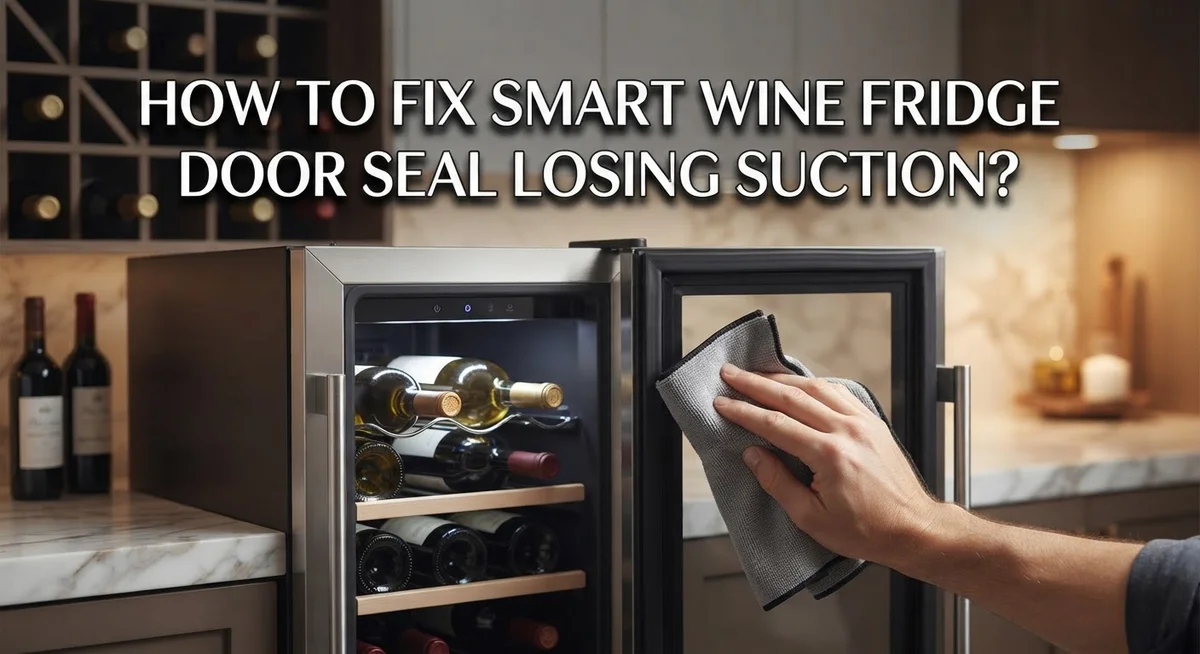
How To Fix Smart Wine Fridge Door Seal Losing Suction?
Your smart wine fridge should keep a tight seal. When the door suction fails, warm air sneaks inside. This puts your wine collection at risk.
A weak door seal is a common problem. It happens with age, dirt buildup, or temperature changes. The good news is that you can often fix it yourself.
This guide will help you find the exact cause of your seal issue. We will walk through simple checks anyone can do at home. You do not need to be a repair expert to follow along.
In a Nutshell
- Start with a simple check: Look closely at the rubber gasket for any visible dirt, food particles, or sticky spots. These small bits of grime often stop the seal from closing fully.
- Test the seal strength: Try the classic dollar bill test. Close the door on a piece of paper and gently pull it out. If it slides out with no resistance, your seal needs attention.
- Inspect for physical damage: Look for cracks, tears, or brittle spots on the rubber. Damaged gaskets cannot hold air and usually need a replacement.
- Check the door hinges: A sagging or loose hinge can pull the door out of shape. This makes it hard for the seal to sit flush against the frame.
- Consider the temperature: Extreme cold can make rubber seals stiff and brittle over time. This stiffness reduces their ability to bend and seal properly.
- Know when to replace: If cleaning and adjusting do not work, a worn out gasket is likely the main culprit. Replacing it restores your fridge’s cooling efficiency.
Understanding How Door Seals Maintain Suction
Door seals work by creating an airtight barrier between the fridge cabinet and the outside air. The rubber gasket presses firmly against the door frame when you close the door. This pressure keeps cold air inside and warm air outside.
Your smart wine fridge relies on consistent suction to maintain the right temperature for your wine collection. When the seal weakens, cold air escapes. Your fridge then works harder to stay cool, which wastes energy and can damage your wine.
The gasket material is typically rubber or silicone. These materials naturally compress and expand based on temperature changes. Over time, this constant movement causes wear and tear. The rubber loses its ability to bounce back and hold a tight seal.
Suction strength depends on several factors working together. The door frame must be perfectly flat and clean. Any debris on the frame prevents the gasket from making full contact. The hinges must hold the door level and centered. A crooked door creates gaps where air leaks out.
The gasket itself must remain flexible and intact. Hard, brittle rubber cannot compress properly. Cracks or tears allow air to slip through even when the door closes fully.
Temperature also affects seal performance. Cold temperatures make rubber stiff and less responsive. Humidity can cause the gasket to swell or shrink slightly. These changes reduce the seal’s effectiveness.
Understanding these basics helps you identify your specific problem. A dirty frame needs cleaning. A misaligned door needs adjustment. A damaged gasket needs replacement. Each issue requires a different fix. Knowing how seals maintain suction helps you choose the right solution for your wine fridge.
Common Causes of a Weakening Wine Fridge Door Seal
Your smart wine fridge door seal weakens for several specific reasons. Understanding these causes helps you fix the problem faster.
Dirt and debris buildup is the most common culprit. Over time, dust, wine residue, and food particles collect on the gasket surface. This buildup prevents the rubber from making full contact with the fridge frame. The seal cannot compress evenly, so suction drops significantly.
Gasket material degradation happens naturally with age. Rubber and silicone break down from constant temperature changes and repeated door openings. The material becomes less flexible and loses its ability to create a tight seal. This process accelerates in older wine fridges.
Door misalignment causes uneven pressure on the gasket. If your fridge sits on an uneven floor or the hinges have loosened, the door may not close perfectly straight. One side of the seal presses harder than the other, creating weak spots where air leaks through.
Temperature fluctuations stress the gasket material. Extreme cold makes rubber brittle and stiff. Extreme heat makes it soft and less responsive. Your smart wine fridge experiences these swings every time you open the door.
Moisture and condensation can damage the seal over time. Water trapped between the gasket and frame promotes mold growth and material breakdown. This moisture also reduces the gasket’s ability to grip the fridge frame properly.
Worn hinge springs allow the door to sag slightly. When hinges weaken, the door hangs lower than it should. This creates gaps where the gasket cannot seal completely.
Each of these causes requires a different fix. Identifying which one affects your fridge is the first step toward restoring proper suction and protecting your wine collection.
Signs Your Smart Wine Fridge Has a Seal Problem
Your smart wine fridge will show clear warning signs when the door seal starts failing. Recognizing these signs early helps you fix the problem before your wine collection suffers damage.
Condensation buildup is one of the first signals. You’ll notice moisture collecting on the inside walls or around the door frame. This happens because warm air leaks in when the seal weakens. The fridge works harder to maintain temperature, and moisture forms as a result.
Temperature inconsistency is another major red flag. Your wine fridge may struggle to hold the correct temperature setting. You might notice the cooling cycles running more frequently than usual. Wine stored inside could feel warmer than it should be.
Frost accumulation on the evaporator coils signals seal problems too. Ice buildup means cold air is escaping and warm air is entering. This forces the cooling system to work overtime.
Strange noises from the compressor indicate stress. When seals fail, the fridge must run longer cycles to compensate. You’ll hear the motor running more often or for extended periods.
Visible gaps or light around the door edges are obvious signs. Open the door in a dark room and look for light leaks around the frame. Any visible space means the seal is no longer making proper contact.
Higher energy bills suggest your fridge is working inefficiently. A failing seal forces the cooling system to run constantly. Your electricity usage will increase noticeably.
Musty or stale odors inside the fridge mean outside air is entering. This compromises the sealed environment your wine needs. Address this quickly to prevent spoilage.
Step-by-Step Guide to Cleaning and Reconditioning the Seal
Start by unplugging your smart wine fridge from the electrical outlet. This keeps you safe while working on the door seal. Wait about five minutes before proceeding to allow any residual charge to dissipate.
Examine the entire gasket carefully. Run your fingers along every inch of the rubber or silicone material. Look for cracks, tears, or areas where the material feels unusually hard. Check both the seal itself and the grooves where it sits.
Use a soft cloth slightly dampened with warm water. Gently wipe down the entire gasket surface. This removes dust and light debris that reduces suction power. Pay special attention to the corners and crevices where dirt accumulates most.
For stubborn buildup, mix warm water with a small amount of mild dish soap. Dip your cloth into this solution and wipe the seal again. Avoid harsh chemicals or abrasive scrubbers that damage the material. Rinse thoroughly with a clean, damp cloth afterward.
Dry the gasket completely with a soft towel. Any remaining moisture prevents the seal from working properly.
Now apply a thin layer of silicone based conditioning product designed for rubber seals. This restores flexibility to the material and improves suction. Use very little product and spread it evenly. Wipe away any excess with a clean cloth.
Close the door gently and let it sit for several hours. This allows the conditioning treatment to penetrate the material fully.
Test the seal by placing a dollar bill halfway through the closed door. Try pulling it out. The bill should require firm pressure to remove. If it slides out easily, your seal still needs attention or replacement.
How to Realign and Adjust the Door for Proper Closure
Your smart wine fridge door may not close properly even after cleaning. This happens because the door frame itself sits out of alignment. When the door tilts or leans, the gasket cannot press evenly against the frame. You need to adjust the door position to fix this problem.
Check the door level first. Place a small level tool on the top edge of your door. The bubble should sit in the center. If it tilts left or right, your door is misaligned. This uneven position prevents proper suction around the entire gasket.
Look at the hinges on both sides of the door. Most smart wine fridges have adjustable hinges with screws. These screws control how high or low the door sits. Loosen the screws slightly using the correct wrench or screwdriver. Do not remove them completely. Gently shift the door up, down, left, or right until it aligns with the frame. Then tighten the screws again slowly.
Test the door after each adjustment. Close it gently and listen for a solid seal sound. The door should close smoothly without sticking or gaps. Open it again and check if condensation has stopped forming inside.
Some wine fridges have adjustable feet at the bottom. If your unit has these, check that all four feet touch the ground evenly. Uneven feet cause the entire cabinet to tilt. Turn the feet clockwise or counterclockwise until the unit sits level.
Take your time with this process. Small adjustments make big differences. Once the door aligns properly, the gasket can create full suction again. Your wine fridge will cool more efficiently and maintain consistent temperatures throughout.
Testing Seal Suction and Confirming a Successful Fix
After you’ve cleaned, conditioned, and realigned your smart wine fridge door, you need to verify the fix actually works. Testing the seal properly ensures your wine stays at the correct temperature and your fridge runs efficiently.
Start with the dollar bill test. Place a crisp bill halfway through the closed door. Pull it gently. If the seal grips the bill tightly and resists pulling, your seal has good suction. If the bill slides out easily, the seal still needs work.
Next, check for light leaks. Turn off the lights in your room. Close your wine fridge door completely. Look carefully around all edges from the inside. Any light coming through means air is escaping. This indicates your seal isn’t fully seated.
Feel the door seal with your hand. Run your fingers along the entire gasket while the door is closed. The seal should feel firm and compressed evenly. Soft spots or gaps mean you need to adjust the door again.
Monitor your fridge’s temperature for 24 hours. Use a thermometer to check if the internal temperature stays consistent. Fluctuating temperatures suggest the seal isn’t holding properly. Your smart fridge’s display should also show stable readings without sudden changes.
Listen for compressor cycling. A properly sealed fridge runs less frequently. If your compressor kicks on constantly, the seal is letting warm air inside.
Check for condensation buildup on the door edges. Excessive moisture means outside air is entering. A good seal prevents this problem entirely.
Finally, inspect your energy usage. Compare your electricity bills before and after the repair. A successful fix reduces energy consumption noticeably. Your fridge should run more efficiently with a tight seal.
Mistakes to Avoid When Repairing a Wine Fridge Seal
When fixing your smart wine fridge door seal, several common mistakes can make the problem worse. Understanding what to avoid saves you time and money.
Don’t use harsh chemicals or abrasive materials on the gasket. Rubbing alcohol, bleach, or scouring pads damage rubber seals permanently. These products break down the material and create new gaps. Stick to mild soap and soft cloths only.
Avoid forcing the door closed if it doesn’t seal naturally. Pushing hard strains the hinges and compresses the gasket unevenly. This creates permanent damage that no amount of cleaning fixes. Let the door close gently on its own.
Never skip the drying step after cleaning. Moisture left on the gasket prevents proper conditioning product absorption. Wet seals don’t grip the door frame correctly. Always dry completely with a soft towel before applying any treatments.
Don’t apply too much conditioning product to the seal. Excess product attracts dirt and dust, making the problem worse. A thin, even layer is all you need. More product doesn’t mean better results.
Avoid adjusting multiple components at once. Change one thing, test it, then move forward. Adjusting the door level, hinges, and feet simultaneously makes it impossible to identify what actually fixed the issue.
Don’t ignore temperature fluctuations during repairs. Keep your wine fridge plugged in while testing unless you’re specifically cleaning components. Unplugging it for long periods affects the seal’s ability to function properly.
Finally, resist the urge to replace the entire door seal immediately. Most seal problems come from dirt buildup or misalignment, not actual seal failure. Try cleaning and conditioning first. Give these solutions time to work before considering replacement parts.
Troubleshooting Persistent Suction Issues on Smart Models
When your smart wine fridge door seal keeps losing suction despite your cleaning and conditioning efforts, the problem likely runs deeper. Persistent suction issues point to structural or mechanical problems that need different solutions.
Start by examining the door frame itself. Look for cracks, warping, or gaps around the entire frame perimeter. A warped frame prevents the gasket from making full contact with the door surface. If you spot warping, the frame may need professional replacement since it’s a structural component.
Check the door’s weight and balance next. An unbalanced door pulls away from the seal on one side. Open your fridge door slowly and watch if it swings open or closes on its own. This indicates an alignment problem beyond simple adjustment. Verify that all hinges are tight and secure. Loose hinges cause the door to hang unevenly.
Inspect the gasket channel, which is the groove where the seal sits. Debris, old adhesive, or damage in this channel prevents proper seal seating. Clean this channel thoroughly with warm water and a soft cloth. Make sure the gasket sits fully in its channel without twisting or bunching.
Test the door seal’s magnetic strength if your model uses magnetic gaskets. Weak magnets cannot hold the door closed firmly enough. Place a metal object near the seal to check magnetic pull.
Consider the door’s age and gasket wear. Gaskets deteriorate over time and lose flexibility. If your fridge is several years old, the gasket material may simply be exhausted and need replacement.
For smart models, also check if software updates affect door sensor readings. An outdated system might misreport seal status. Contact your manufacturer’s support team for potential firmware updates that could resolve persistent suction warnings.
Final Thoughts
Fixing a smart wine fridge door seal does not need to be complicated. Most suction problems come from dirt, dry rubber, or a door that sits slightly off balance.
A little patience goes a long way here. Clean the gasket well, add conditioner, and let the door rest properly on its hinges.
Your fridge protects wine at specific temperatures. Every degree matters for taste and quality. A weak seal lets warm air sneak in, forcing the compressor to work overtime.
Regular seal care prevents bigger problems down the road. Check your gasket every few months, even if you notice no issues yet.
Dust, spills, and stains build up slowly. This buildup breaks down rubber faster than you might expect.
If you have tried every fix and the seal still fails, the gasket itself may need replacing. This happens naturally as rubber ages and loses its stretch.
Smart fridges add another layer to consider. Sensors and software sometimes affect how the door reports its seal status.
Keep your fridge’s firmware updated. This small step can solve sensor glitches that mimic seal problems.
Trust your senses too. If you feel cold air near the door edges, something still needs attention.
Small adjustments often fix big problems. Do not overlook simple solutions like cleaning and repositioning before assuming the worst.
A well sealed wine fridge saves energy and protects your collection. It keeps humidity steady and temperature consistent, which wine needs to age well.
Take these steps one at a time. Rushing repairs can create new issues instead of solving the original one.
With careful attention and regular checks, your smart wine fridge should seal properly for years. Your wine deserves that stable, protected environment.
Frequently Asked Questions
Why does my smart wine fridge door seal lose suction suddenly?
Smart wine fridges use sensors to monitor door seals. Temperature changes, dust buildup, or gasket stiffness cause sudden suction loss. The seal may also shift if the fridge isn’t level. Check if your fridge sits on a flat surface first. Then inspect the gasket for visible cracks or hardening.
Can I clean the gasket without damaging it?
Yes, but use gentle methods only. Mix warm water with mild soap and wipe the seal with a soft cloth. Rinse thoroughly and dry completely before closing the door. Never use harsh cleaners or rough materials. These damage rubber and make suction worse. Let the gasket air dry for 10 to 15 minutes after cleaning.
What should I do if the door seal feels stiff?
Stiff gaskets lose their grip over time. Apply a thin layer of food grade silicone conditioner to the seal. This restores flexibility and helps the gasket grip the door frame better. Wipe away excess product with a clean cloth. Test the seal by opening and closing the door gently.
Does my fridge’s software affect door seal performance?
Smart models have firmware that monitors door sensors. Software updates sometimes change how sensors read the seal. Check your manufacturer’s app for pending updates. Install them when available. Also verify that the door sensor itself isn’t blocked by debris or misaligned.
When should I replace the gasket instead of repairing it?
If cleaning, conditioning, and leveling the fridge don’t work, the gasket likely needs replacement. Gaskets wear out after years of use and lose their ability to seal properly. A deteriorated gasket cannot be fixed with simple adjustments. Contact your manufacturer for a replacement gasket designed for your model.

Hi, I’m Rosie Tate — a tech enthusiast, gadget geek, and the creator of RapidConvertLab! 🚀 I’ve spent years exploring the ever-evolving world of electronics, smart devices, and Amazon’s hidden tech treasures. Through my honest, hands-on reviews, I help everyday shoppers cut through the noise and pick gadgets that truly deliver value. When I’m not testing a new device, I’m probably unboxing one! 📦✨