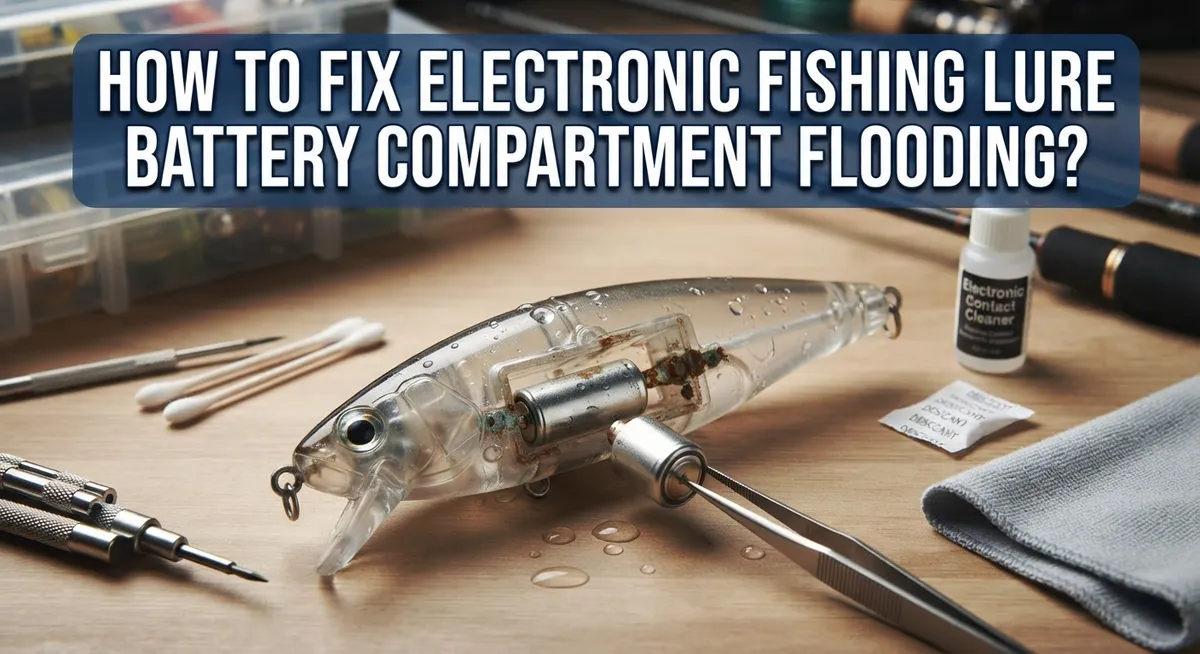
How To Fix Electronic Fishing Lure Battery Compartment Flooding?
Have you ever pulled in your electronic fishing lure only to find water inside the battery compartment? It’s a frustrating problem. This flooding can ruin your lure and stop it from working right.
Water intrusion is the number one cause of electronic lure failure. Once moisture gets into that compartment, your lure’s electronics can short out. This leaves you with a dead lure and a lighter wallet.
The good news? You can fix this problem and prevent it from happening again. This guide walks you through everything you need to know.
We’ll show you how to properly inspect your battery compartment seals. You’ll learn the right way to dry out a flooded compartment. We’ll also cover charging procedures to keep your lure working its best.
Plus, we’ll share simple storage tips that protect your investment. You’ll discover common mistakes anglers make and how to avoid them.
By the end of this article, you’ll know exactly how to fix compartment flooding. More importantly, you’ll have the tools to stop it from happening again. Let’s get your electronic lure back in top shape.
In a Nutshell
Here’s a quick summary to fix and prevent battery compartment flooding in your electronic lures.
-
Dry out the compartment first. Remove batteries and let the compartment air dry completely. Use a soft cloth to soak up any visible water.
-
Check your seals every time. Worn or damaged seals let water sneak in. Inspect them before every fishing trip.
-
Charge batteries fully before storage. A full charge keeps your lure ready and reduces stress on internal components.
-
Rinse with fresh water after use. This removes salt and debris that can damage seals over time.
-
Store lures in a dry place. Damp environments invite moisture problems. Keep your gear in a cool, dry spot.
-
Build a simple routine. Inspect, charge, rinse, and dry your lure after each use. This small habit prevents big headaches later.
Following these steps protects your lure’s electronics. Your investment stays safe and ready for the next big catch.
Why Battery Compartments Flood: Understanding the Cause
Water finds its way into battery compartments because seals wear down over time. Every time you cast your lure, the seal gets stressed. Salt water, freshwater, and temperature changes all speed up this breakdown.
The seal degrades from repeated use. Your lure opens and closes during charging sessions. Each cycle weakens the rubber or silicone gasket. Eventually, tiny gaps appear where water can slip through.
Environmental factors play a big role too. Salt water corrodes seals faster than freshwater. If you fish in the ocean, expect faster deterioration. Temperature swings cause materials to expand and contract. This constant movement creates small cracks in the seal.
Improper storage makes things worse. Storing your lure in damp conditions keeps moisture around the compartment. Humidity seeps into any small opening. The seal never gets a chance to dry completely between uses.
Neglecting inspection leads to problems. Most anglers don’t check their seals regularly. You might not notice a seal is damaged until water gets inside. By then, the battery compartment is already flooded.
Incomplete drying after fishing sessions contributes to flooding too. Water sits on the lure surface and works into the compartment seals. This gives moisture time to penetrate deeper into the housing.
Charging procedures matter as well. If you don’t fully charge your batteries, the lure stays in the charging dock longer. Extended time in the charging position can stress the seal. The repeated opening and closing increases wear.
Understanding these causes helps you prevent future flooding. You now know that seals need regular checks. Storage conditions matter. Drying your lure completely after each session protects it. These simple facts explain why your battery compartment floods and how to stop it.
Signs Your Electronic Lure Has Water Intrusion
Water intrusion into your electronic lure’s battery compartment shows clear warning signs. Pay attention to these indicators so you can act quickly and prevent permanent damage.
The first sign is visible moisture inside the compartment. Open your battery door and look for water droplets, condensation, or wet residue around the batteries. If you see any liquid, water has already entered the sealed area.
Your lure may stop working or work inconsistently. Intermittent operation often means water is interfering with electrical connections. The lure might turn on and off randomly or respond slowly to activation.
Corrosion appears as white, green, or blue crusty deposits on battery terminals and metal contacts. This happens when water reacts with the metal surfaces inside the compartment. Corrosion prevents proper electrical flow and reduces battery performance.
A musty or moldy smell coming from the battery compartment indicates moisture has been sitting inside. This smell means water has been trapped for a while and bacterial growth may have started.
The battery door feels loose or doesn’t seal tightly anymore. Check the seal regularly by gently twisting the door. If it moves too easily or gaps appear, water can slip inside during use.
Rust spots on the compartment’s interior metal walls signal water exposure. Even small amounts of moisture can cause rust to form over time.
Battery performance drops suddenly. If your batteries drain faster than normal or won’t hold a charge, water damage is likely affecting their function.
Act immediately when you notice any of these signs. The sooner you address water intrusion, the better your chances of saving the lure and preventing future problems.
Step-by-Step: Drying and Repairing a Flooded Battery Compartment
After you discover water in your electronic fishing lure’s battery compartment, act quickly to prevent permanent damage. The drying process is your first priority.
Remove the batteries immediately from the flooded compartment. Water and electricity don’t mix, so getting power sources out stops corrosion from spreading. Place the batteries on a clean, dry surface away from your work area.
Open the battery compartment door completely and leave it open. Air circulation is essential for moisture removal. Point a fan toward the open compartment if you have one available. This speeds up the drying process significantly.
Use a dry cloth or paper towel to gently wipe away visible water droplets inside the compartment. Don’t scrub aggressively, as this can damage delicate contacts. Work carefully around battery terminals and metal connections.
If you see white, green, or blue corrosion deposits on the terminals, you need to clean these. A dry cotton swab works well for this task. Gently rub the corroded areas until the discoloration disappears. This removes salt deposits and oxidation that block electrical connections.
Let the compartment air dry for at least 24 hours in a warm, dry location. You can place the lure near a window with indirect sunlight or in a room with low humidity. Avoid direct heat sources like hair dryers, which can damage internal components.
After the compartment dries completely, reinspect all seals and gaskets. Look for cracks, hardening, or visible wear. These damaged seals allowed water entry in the first place. If seals appear compromised, replacement is necessary before you use the lure again.
Reinsert fully charged batteries once everything is completely dry. Test the lure in a safe location before your next fishing trip.
Proper Charging Procedure to Prevent Future Flooding
Proper charging keeps your electronic fishing lure in top condition. The charging process directly affects how well your battery compartment stays sealed and protected from water damage.
Start by inspecting the battery compartment door before you charge. Look for cracks, loose hinges, or worn gasket material. A damaged seal lets water slip in during charging and storage. Tighten any loose screws around the compartment door. Replace gaskets if they look worn or flattened.
Connect the charging clips correctly to avoid electrical problems. The red wire clip attaches to the ring on your lure’s head. The black wire clip connects to the designated ring connection point on the body. Make sure both connections are clean and free of corrosion before charging.
Charge your lure to full capacity before every fishing trip. A fully charged battery performs better and lasts longer in the water. Don’t leave your lure on the charger for extended periods after it reaches full charge. Overcharging can damage internal components and create heat that weakens seals.
After charging finishes, remove the lure from the charger immediately. Store it in a cool, dry place away from humidity. Never leave charged lures sitting in damp basements, garages, or tackle boxes without proper ventilation.
Establish a charging routine before each fishing session. Check seals, connect clips correctly, and charge fully. This simple habit prevents most battery compartment flooding problems. Consistent charging practices protect your investment and keep your electronic lures working reliably season after season.
Pre-Session Inspection Routine for Seals and Compartments
Your electronic fishing lure depends on a solid pre session inspection routine. This simple habit stops water from reaching your battery compartment before problems start.
Begin your inspection at least one day before you plan to fish. Remove your lure from storage and examine the battery compartment door closely. Look for visible cracks, splits, or damage on the door itself. Run your finger along the edges where the door meets the lure body. You should feel a smooth, tight fit with no gaps.
Check the rubber gasket or seal that lines the compartment opening. This seal keeps water out during use. Press gently on the gasket with your finger. A healthy seal feels firm and springs back immediately. If the gasket feels mushy, sticky, or leaves an indent, it needs replacement.
Open the battery compartment and inspect inside. Look for any white, green, or blue crusty deposits on the battery terminals. These deposits mean water has already entered. Wipe away any visible dust or debris with a dry cloth.
Examine the battery contacts where the lure connects to your charger. These metal points should shine without corrosion or discoloration. Tarnished contacts reduce charging efficiency and invite water problems.
Close the battery door firmly. It should click or snap into place with resistance. If the door closes too easily or feels loose, the seal is compromised.
Perform this inspection every single time before you fish. Catching problems early prevents expensive damage and keeps your lure working reliably. A quick five minute check saves you from flooded batteries and ruined equipment.
Post-Fishing Care: Rinsing, Drying, and Storage Best Practices
Rinsing your electronic fishing lure after use removes salt, dirt, and debris that can damage seals. Use fresh water from a tap or bucket. Never submerge the lure completely in water. Instead, hold it under running water and gently rinse the exterior surfaces.
Pat the lure dry immediately with a soft cloth or paper towel. Pay special attention to the battery compartment area and any visible seams. Water sitting on these surfaces can seep into gaps over time.
Store your lure in a cool, dry location away from direct sunlight. Choose a shelf or cabinet inside your home rather than a garage or shed. Humidity in these spaces promotes corrosion and seal degradation. A small plastic storage box with a tight lid works well for keeping moisture out.
Before storing, crack open the battery compartment door slightly. This allows any trapped moisture inside to escape slowly. Leave it in this position for several hours in a dry room.
Inspect storage conditions regularly. Check your lure every few weeks, especially during humid seasons. If you notice any moisture inside the compartment, remove the batteries immediately and follow the drying procedure from earlier.
Never store your electronic lure in a tackle box with wet fishing gear or damp towels. Moisture from these items will migrate to your lure. Keep your lure separate from other equipment.
Store batteries separately if your lure will sit unused for more than one month. Batteries left in compartments can leak or corrode over extended periods. This separation prevents damage to both the battery compartment and the batteries themselves.
Common Mistakes That Lead to Flooding Damage
Many people damage their electronic fishing lures by making simple mistakes before they even hit the water. Understanding these errors helps you keep your lure working properly.
Skipping seal inspection is the biggest mistake anglers make. You should check your battery compartment seals every single time before fishing. Most people assume seals stay perfect, but rubber gaskets wear down over time. Salt water, sun exposure, and regular use all cause degradation. A seal that looks fine today might leak tomorrow.
Storing lures in damp places causes major problems. Your tackle box, garage shelf, or boat storage area might feel dry to you but contain hidden moisture. Humidity sneaks into battery compartments slowly. By the time you notice water damage, the battery contacts are already corroded. Store your lure in genuinely dry spaces, away from humid areas.
Leaving lures wet after fishing is another common error. Many anglers rinse their lures with fresh water but don’t dry them properly. They toss the wet lure into a bag or box and forget about it. Water sits inside the compartment for hours or days. This moisture eventually finds its way past your seals.
Incomplete battery charging also contributes to flooding problems. A fully charged battery operates your lure’s sealing mechanisms better. Incomplete charging leaves your lure vulnerable during water exposure.
Failing to separate batteries during storage causes issues too. When you store your lure for extended periods, keep batteries in a separate, dry container. This simple step prevents corrosion and water damage from spreading to battery contacts.
These mistakes are easy to fix once you know what to avoid.
Long-Term Maintenance Tips for Seal and Battery Health
Your electronic fishing lure’s battery compartment stays healthy when you commit to consistent maintenance. Think of this as preventive care that saves you money and frustration later.
Check your seals every month during fishing season, even if you haven’t used the lure. Rubber gaskets and seals degrade over time from exposure to sunlight, temperature changes, and salt water. Look for cracks, brittleness, or discoloration around the compartment edges. A seal that looks fine today might fail tomorrow.
Keep a maintenance log if you fish frequently. Write down when you inspect seals, when you charge batteries, and storage conditions. This simple record helps you spot patterns. You’ll notice if flooding happens after specific weather or storage situations.
Store batteries separately when your lure will sit unused for more than thirty days. Batteries sitting in a compartment can leak or corrode contacts over time. Remove them and keep them in a cool, dry place away from metal objects.
Rotate your lures if you own several electronic models. Don’t use the same lure every single fishing trip. This rotation reduces wear on seals and gives compartments time to dry completely between uses.
Check storage areas for humidity problems. Basements, garages, and outdoor sheds often trap moisture. Use silica gel packets or small dehumidifiers in your storage space. These simple tools absorb excess moisture before it damages your lures.
Replace seals proactively before they fail completely. Don’t wait until water starts leaking inside. New seals cost far less than replacing an entire electronic lure. Many anglers replace seals annually or every two seasons, depending on usage.
Final Thoughts
Flooding in your electronic fishing lure’s battery compartment doesn’t have to end your fishing trips early. Most flooding problems come from simple, avoidable mistakes. Once you understand the causes, you can stop them before they start.
Prevention beats repair every single time. A few minutes checking seals before you cast saves hours of frustration later. It also saves you from replacing an expensive lure.
Think of your maintenance routine as part of your fishing routine. Just like you check your line and hooks, check your battery compartment too. This habit becomes second nature after a few trips.
Water and electronics don’t mix well. Your lure’s battery compartment is its most vulnerable point. Treat it with the same care you give your reel or rod.
Remember that small issues grow into big problems if ignored. A tiny seal crack today can mean total lure failure tomorrow. Catch these signs early and act on them quickly.
Your charging habits matter just as much as your storage habits. A fully charged battery performs better and lasts longer. Never rush this step before heading out on the water.
Every angler faces flooding issues at some point. The difference between a good angler and a great one is preparation. Great anglers inspect, charge, and store their gear properly every time.
Follow the steps outlined in this guide consistently. Your electronic fishing lures will reward you with reliable performance. You’ll spend less time troubleshooting and more time actually fishing.
Good gear care leads to good fishing days. Keep your seals tight, your batteries charged, and your storage dry. Your lures will thank you with years of dependable service on the water.
Frequently Asked Questions
What causes water to enter the battery compartment in the first place?
Water enters through damaged or worn seals around the battery compartment door. Over time, rubber gaskets crack and lose their grip. Sand and debris can also prevent the seal from closing properly. Even tiny gaps let water seep inside during casting or when your lure sits in wet conditions.
How do I know if my battery compartment has flooding damage?
Look for visible moisture inside the clear battery compartment window. You might see water droplets or cloudy condensation on the inside. The lure may not turn on or makes strange sounds. Battery contacts might show green or white corrosion marks. These signs mean water has already entered.
Can I fix a flooded battery compartment myself?
Yes, you can dry out minor flooding at home. Open the compartment and let it air dry in a warm, dry place for 24 to 48 hours. Remove the batteries and dry them separately. Wipe the interior with a soft, dry cloth. Once everything is completely dry, reassemble and test. For severe corrosion on contacts, you may need professional help.
How often should I inspect the battery compartment seal?
Check your seals before each fishing trip, especially if you fish regularly. During off season, inspect monthly to catch early wear. Look for cracks, hardening, or loose edges around the seal. Replace seals at the first sign of damage rather than waiting for flooding to happen. This simple habit prevents most water intrusion problems.
What’s the best way to dry my lure after a fishing session?
Pat the exterior dry with a soft cloth immediately after use. Leave the battery compartment open to air dry. Store it in a warm, dry location away from direct sunlight. Never store it in a tackle box with other wet gear. Allow at least 24 hours of drying time before closing the compartment.

Hi, I’m Rosie Tate — a tech enthusiast, gadget geek, and the creator of RapidConvertLab! 🚀 I’ve spent years exploring the ever-evolving world of electronics, smart devices, and Amazon’s hidden tech treasures. Through my honest, hands-on reviews, I help everyday shoppers cut through the noise and pick gadgets that truly deliver value. When I’m not testing a new device, I’m probably unboxing one! 📦✨