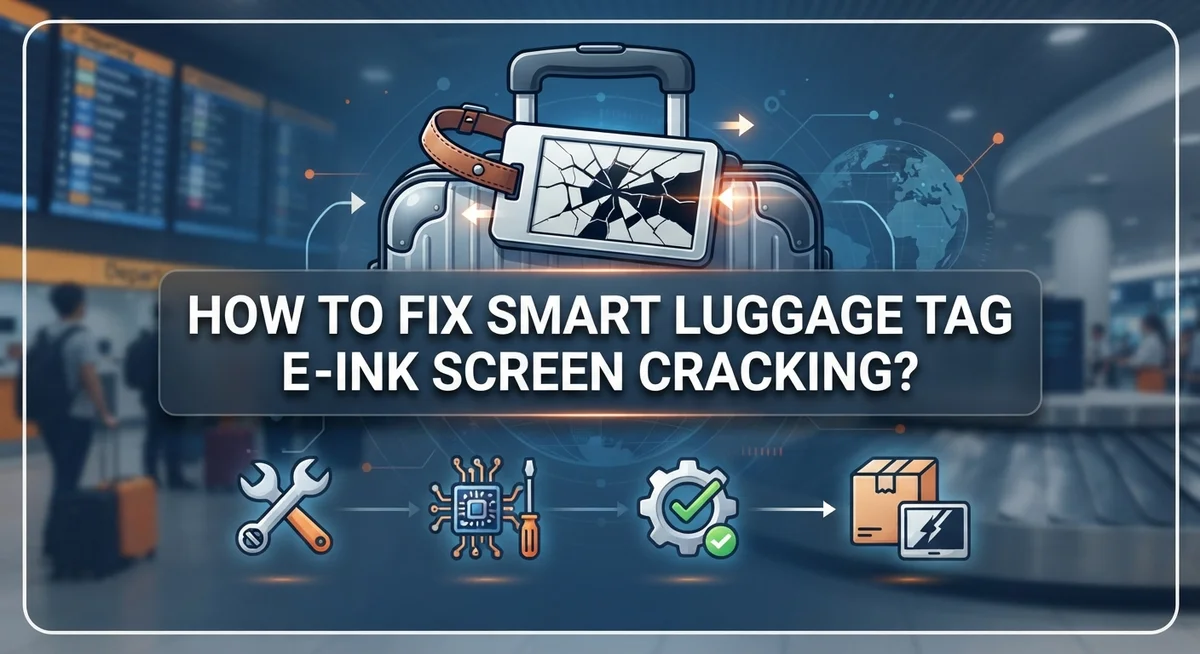
How to Fix a Cracked Smart Luggage Tag E-Ink Screen?
Smart luggage tags make travel easier. They show your flight details on a small screen. But sometimes that screen cracks.
A cracked e-ink screen can feel like a real problem. You might think your smart tag is dead for good. The good news is that many cracks are fixable.
E-ink screens work differently than regular phone screens. They only use power when the image changes. This makes them tough but also delicate in certain spots.
In a Nutshell
- Glass damage is the most common cause of e-ink screen cracks on smart luggage tags. The flex cable underneath can also get damaged if handled roughly.
- E-ink screens only need power when they redraw an image. This makes them different from phone screens and helps them last longer between charges.
- Bluetooth LE protocols let you reprogram your tag after damage. You can scan barcode data and connect your device to update the display.
- Always remove old luggage stickers after each flight. Leftover stickers can confuse airport scanners and cause travel delays.
- If your screen stops responding, check the capacitor first. This simple test confirms whether the tag still works internally.
- Most repairs involve flex cable replacement. This is usually the real fix once glass damage has occurred.
- Scheduled wake up cycles help solve timing issues during reprogramming. This keeps your tag synced correctly with your device.
Understanding How E-Ink Smart Luggage Tags Work
E-ink smart luggage tags use a completely different display technology than your phone or tablet. These tags contain millions of tiny capsules filled with charged particles suspended in oil. When power reaches the display, these particles move to create black and white images.
The key difference is power consumption. E-ink screens only draw electricity when the image actually changes. Once an image appears on screen, it stays there without using any battery power. This is why smart luggage tags can last weeks or even months between charges.
Your smart luggage tag communicates through Bluetooth LE, which is a low energy wireless protocol. When you open the app on your phone, it sends a signal to wake up the tag’s processor. The tag then receives new flight information and tells the e-ink display to redraw the baggage label.
The flex cable is a thin ribbon that connects your display to the main circuit board. This cable carries all the electrical signals that tell the e-ink particles when to move. When the screen cracks, the glass often breaks first, but the real damage usually affects this flex cable underneath.
Understanding this structure matters when fixing damage. A cracked screen often means the flex cable needs replacement, not just the glass. The capacitor stores small amounts of power to help with the redraw process. If your tag stops responding after damage, the capacitor might have failed too.
This knowledge helps you understand why certain repairs work better than others and what happens inside your tag when something goes wrong.
What Causes E-Ink Screen Cracking on Smart Luggage Tags
E-ink screens crack for several specific reasons. Understanding these causes helps you prevent future damage and know when repair is truly necessary.
Physical impact is the most common culprit. Smart luggage tags get tossed, dropped, and squeezed in overhead bins. The glass layer protecting your e-ink display breaks when force is applied directly to the screen. Even small drops from luggage carts can cause hairline fractures that spread over time.
Temperature extremes damage the delicate materials inside your tag. Airplane cargo holds get very cold. The glass contracts and expands at different rates than the surrounding components. This stress builds up and eventually causes cracks to form, even without any direct impact.
Moisture and humidity create internal problems you cannot see. Water seeps into tiny gaps around the screen edges. It corrodes the flex cable connections and causes the glass to weaken from inside. Airport environments with high moisture make this worse.
Manufacturing defects sometimes cause weak points in the glass. Not all screens are created equally. A tag with a production flaw may crack from normal handling that would not damage a quality unit.
Improper flex cable handling during assembly or repair leads to stress on the glass. The flex cable is a thin ribbon connecting your display to the circuit board. If technicians bend it too sharply or apply uneven pressure, the glass breaks as a result.
Age and material fatigue matter too. E-ink screens degrade over years of use. The materials become brittle. A tag that survives five years of travel may suddenly crack from impact that caused no damage when the tag was new.
Diagnosing the Damage: Glass Crack vs Flex Cable Failure
When your smart luggage tag screen cracks, you need to figure out what actually broke inside. The damage could be the glass itself or the flex cable underneath. Knowing the difference changes how you fix it.
Glass cracks show up as visible lines or spiderwebs across your display. You can see them clearly when you look at the screen straight on. The crack might spread from one corner or appear in the center. If the screen still displays information despite the crack, the glass probably cracked but the flex cable stayed intact. This is actually good news for repairs.
Flex cable failure happens when the thin ribbon connecting your display to the circuit board gets damaged. You might notice the screen goes completely blank or shows garbled information. Sometimes only part of the display works. The flex cable often fails without any visible glass damage. You might see the screen is fine, but nothing appears on it.
Here’s how to tell them apart. Press gently around the cracked area. If the display flickers or changes, the flex cable likely has stress damage. If nothing happens, the glass took the impact but the cable survived.
Check whether your tag responds to Bluetooth signals. Connect your phone and try to reprogram the display. If it accepts new data but shows nothing, the flex cable probably failed. If it rejects the signal completely, both components might have damage.
Look at the crack pattern too. Cracks radiating outward from a single point usually mean glass impact damage. Cracks along the edges suggest flex cable stress tore the glass from inside.
Understanding this distinction helps you explain the problem to repair services or decide whether to replace the entire unit.
Step-by-Step Guide to Fixing a Cracked E-Ink Screen
Start by powering off your smart luggage tag completely. This prevents electrical damage during the repair process and protects the circuit board from short circuits.
Next, examine the cracked screen carefully under good lighting. Use a magnifying glass if you have one. Look for the specific pattern of the damage. A spiderweb pattern usually means glass damage. A single line or corner crack might indicate flex cable stress instead.
Test your tag’s Bluetooth connection using your phone or tablet. Open the app that controls your luggage tag. Try to connect to it. If the tag responds to Bluetooth signals, the flex cable likely still works. If it doesn’t respond at all, the flex cable probably has damage.
Gently press around the cracked area with your finger. Feel whether the screen moves or flexes. Movement suggests the flex cable is loose or damaged. A rigid feel means the display itself took the impact.
Take clear photos of the crack from multiple angles. Capture the top, bottom, and sides. These photos help you document the damage and explain the issue to repair services later.
Check whether the display still shows your luggage information. Some cracks don’t affect the e-ink layer underneath. If your tag displays correctly despite the crack, the damage is surface level only.
Write down exactly when the crack appeared. Note what happened before it cracked. Did your luggage fall? Was it exposed to extreme temperatures? Did it get wet? This information helps repair specialists understand the root cause.
Store your tag in a dry place at room temperature while you arrange repairs. Avoid bending or applying pressure to the cracked screen.
Reprogramming and Reconnecting Your Repaired Tag via Bluetooth
Your smart luggage tag needs proper reconnection after the screen repair is complete. This process restores full functionality to your device.
Start by downloading the official app for your smart luggage tag on your smartphone or tablet. Open the app and look for the option to add a new device or reconnect an existing one. Your tag should appear in the available devices list once you begin the pairing process.
Enable Bluetooth on your phone before attempting connection. Hold your repaired tag close to your device, within a few inches. The app will guide you through scanning the barcode on your tag or entering a code manually. This step confirms your tag’s identity to the system.
Once paired, the app will prompt you to reprogram your display information. Enter your name, phone number, and any other details you want shown on the e-ink screen. The Bluetooth connection sends this data to your tag’s memory. You should see the information appear on your screen within seconds.
Test the connection by updating a single piece of information. Change your phone number in the app and watch your tag refresh. This confirms the Bluetooth LE protocol is working correctly.
If your tag doesn’t respond, try these steps. Power off your tag completely for 30 seconds, then power it back on. Forget the device in your phone’s Bluetooth settings and start the pairing process again. Make sure you’re standing in a location with good signal strength.
Keep your tag within Bluetooth range of your phone regularly. This ensures your travel information stays current. Check that your e-ink display updates smoothly after repairs are finished. Your repaired tag should function like new once reconnection is complete.
Tips to Prevent Future Screen Cracking
Smart luggage tags face real risks during travel. You can reduce screen damage by taking simple steps before problems start.
Handle your tag with care at all times. E-ink screens contain glass that cracks under impact. Avoid dropping your tag or pressing it hard against sharp objects. Store it in a padded pocket of your carry-on bag rather than loose in an outer compartment. This protects the screen during airport handling and turbulence.
Keep your tag away from extreme temperatures. Heat and cold stress the glass and flex cable connections. Don’t leave your luggage tag in direct sunlight for long periods. Avoid placing it near heating vents or air conditioning units in your car. Room temperature storage keeps all internal components stable.
Protect against moisture and humidity. E-ink displays contain electronic circuits that fail when wet. Use a dry bag or protective sleeve when traveling through humid climates. Wipe your tag dry immediately if it gets damp from rain or spilled drinks.
Reduce pressure on the screen area. Never sit on your luggage or stack heavy items on top of it. The weight concentrates force directly on the tag’s glass surface. Place your tag on a flat area of your bag instead of edges or corners.
Update your tag information regularly. Stale data causes confusion at airport scanners, which can lead to rough handling of your luggage. Fresh information means faster processing and less stress on your bag.
Check your tag’s condition before each trip. Look for small cracks or loose components. Early detection lets you repair minor damage before it becomes serious.
Common Mistakes to Avoid During Repair
Many people make costly mistakes when attempting to repair their smart luggage tag e-ink screens. Understanding these errors helps you avoid making the damage worse.
Don’t apply excessive pressure when testing the cracked area. Your fingers might push the glass pieces deeper into the display. This causes additional internal damage to the flex cable underneath. Light pressure is enough to assess movement or loose segments.
Avoid using water or cleaning solutions near the crack. E-ink screens contain delicate electronic circuits. Moisture seeps through cracks and causes short circuits. Even small amounts of liquid can permanently damage the display components.
Never attempt to glue or seal the crack yourself. Common adhesives create residue that interferes with the e-ink display function. The adhesive can also prevent proper flex cable replacement later. Professional repair technicians have specific materials designed for this purpose.
Don’t ignore the Bluetooth connection during repairs. Some people focus only on the physical damage and forget to test connectivity afterward. A cracked screen might still display information, but the Bluetooth module could be damaged too. Always verify your tag connects to your phone before considering the repair complete.
Avoid leaving the tag powered on while cracked. Continuous power draws can stress the damaged flex cable further. Turn off your tag immediately after noticing the crack.
Don’t remove old luggage stickers before sending your tag for repair. Airport scanners sometimes confuse multiple tags on one bag. Removing stickers beforehand helps technicians identify your specific tag during the repair process.
These mistakes often extend repair time and increase costs. Taking time to avoid them ensures your smart luggage tag functions properly again.
Troubleshooting Post-Repair Display Issues
After your smart luggage tag receives a repair, display issues can still occur. The most common problem is a blank or frozen screen even after the flex cable replacement completes. This happens because the e-ink display needs proper reprogramming to function correctly.
Start by checking your Bluetooth connection. Open your official app and scan the barcode on your tag again. Your phone should detect the device within a few seconds. If it doesn’t appear, toggle Bluetooth off and on once more. Wait 10 seconds before trying again.
Next, attempt a full display refresh. Most apps have an “update display” or “refresh” button in the settings menu. Tap this option and watch for changes on your screen. The e-ink display may take 5 to 10 seconds to respond. A successful refresh shows your travel information clearly.
If the screen remains blank, the capacitor may need measurement. This electronic component stores power for the display. A faulty capacitor prevents the screen from redrawing images properly. Contact the repair service to verify this component was replaced correctly.
Test with simple information first. Update only your name or flight number instead of all fields at once. This helps identify whether the display responds to any data. Once you see a single piece of information appear, gradually add more details.
Keep your tag within arm’s reach of your phone for at least one week after repair. Regular connection checks ensure the Bluetooth protocols stay active and the display maintains proper timing cycles.
If issues persist after these steps, the flex cable may not have seated correctly during repair. Request a reinspection from the service provider.
Final Thoughts
A cracked e-ink screen on your smart luggage tag feels frustrating. But you now know the real causes and fixes.
Glass damage remains the top reason these screens fail. Flex cable issues often follow close behind. Both problems need careful attention, not quick fixes.
Bluetooth LE protocols make reprogramming possible once repairs finish. This technology lets your tag communicate with your phone again. Timed wake up cycles help solve many timing related glitches too.
Remember that e-ink screens use very little power. This makes them efficient, but it also means they need specific care during any repair process. A simple mistake can cause bigger problems later.
Patience matters most when fixing these delicate screens. Rushing through repairs often leads to more damage. Take your time with each step, especially when handling the flex cable.
Testing your tag after repair is just as important as the fix itself. Confirm functionality through capacitor measurement when possible. This simple check tells you if your repair actually worked.
Your smart luggage tag serves a real purpose during travel. It helps airports track your bags correctly. A working screen keeps this system running smoothly.
Think of screen care as ongoing maintenance, not a one time task. Small habits protect your tag from future cracks. This includes proper handling and avoiding extreme temperatures.
NXP technology continues improving how these tags function. Future models may include better crack resistance. For now, careful handling remains your best defense.
Follow these repair steps carefully and your tag should work like new again. Smart travel starts with smart luggage tag care.
Frequently Asked Questions
What causes e-ink screens to crack on smart luggage tags?
E-ink screens crack most often from physical impact during travel. Your tag bounces against hard surfaces in baggage handling systems. The glass layer is the weakest component and breaks first. Improper flex cable handling during previous repairs also causes cracks. Temperature changes and moisture exposure weaken the screen structure over time.
Can I use my smart luggage tag if the screen is cracked?
Yes, you can still use it, but proceed with caution. A cracked screen does not always stop the tag from working. The e-ink display may continue showing your information. However, water and dirt can enter through the crack and damage internal circuits. Avoid exposing the cracked area to moisture. Test your Bluetooth connection to confirm the tag still responds to your phone.
How do I know if the flex cable is damaged versus just the glass?
The flex cable connects your e-ink display to the main circuit board. If the screen is cracked but your tag still powers on and connects via Bluetooth, the cable likely survived. If the display goes completely blank after the crack appears, the flex cable probably bent or broke. A professional repair technician can measure the capacitor to confirm whether the cable functions properly.
What should I do immediately after discovering a crack?
Stop using the tag right away. Power it off to prevent electrical shorts. Remove the tag from your luggage. Keep it in a dry place away from extreme heat or cold. Do not attempt to clean the crack with water or solutions. Contact a repair service to discuss your options for flex cable replacement or full screen repair.
Hi, I’m Rosie Tate — a tech enthusiast, gadget geek, and the creator of RapidConvertLab! 🚀 I’ve spent years exploring the ever-evolving world of electronics, smart devices, and Amazon’s hidden tech treasures. Through my honest, hands-on reviews, I help everyday shoppers cut through the noise and pick gadgets that truly deliver value. When I’m not testing a new device, I’m probably unboxing one! 📦✨