
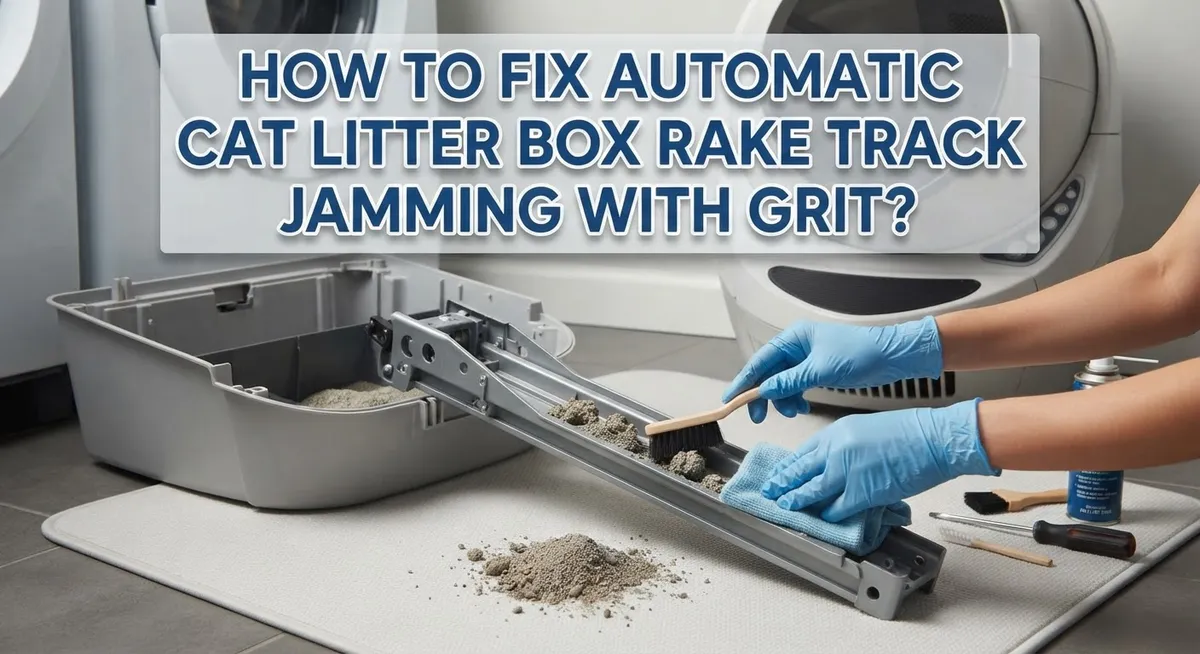
How To Fix Automatic Cat Litter Box Rake Track Jamming With Grit?
Does your automatic cat litter box stop working right in the middle of a cleaning cycle? You hear a strange grinding noise. Then the rake just freezes in place.
This is a common problem for many pet owners. Small grit and litter dust can build up inside the rake track over time. This buildup blocks smooth movement and causes the rake to jam.
The good news is that this issue is usually easy to fix at home. You do not need special tools or expensive repairs. A little cleaning and maintenance often solves the problem completely.
In a Nutshell
- Grit is the main culprit. Small pieces of litter get stuck in the track. This blocks the rake from moving smoothly.
- Turn off the power first. Always unplug the unit before you touch the track. This keeps you safe during cleaning.
- Clean the track often. Use a soft brush or cloth to remove trapped grit. Do this every week for best results.
- Check the wheels and gears. Grit can hide in small parts too. A cotton swab works well for tight spots.
- Dry the track completely. Moisture makes grit stick harder to surfaces. A dry track runs much smoother.
- Pick the right litter type. Some litters crumble more and create extra dust. Switching litter can reduce jamming over time.
- Set a regular cleaning schedule. Doing this weekly prevents big buildups. It also helps your machine last longer.
Why Litter Grit Causes Rake Track Jams
Litter grit causes rake track jams because small particles get trapped in tight spaces. The rake mechanism moves back and forth thousands of times each day. Every movement pushes tiny bits of litter deeper into the track system.
Grit accumulates in multiple locations. Most jamming happens where the rake connects to the track. Particles lodge between the moving parts and the stationary frame. The track has grooves and channels that catch debris easily. Over time, these small pieces build up into larger blockages.
Moisture makes the problem worse. When your cat uses the box, urine dampens the litter. Wet grit becomes sticky and clings to metal surfaces. Dry grit slides around, but wet grit locks the rake in place. This is why jamming often happens after several cleaning cycles.
Different litter types create different amounts of grit. Clay based litters break apart more easily than other options. Each time the rake moves, it crushes larger pieces into dust. This dust settles in the track mechanisms and hardens. Crystal litters produce less dust but still shed small fragments.
The rake design itself contributes to jamming. Most rakes have flat surfaces that drag across the track bottom. This dragging action scoops up grit instead of pushing it aside. The grit gets compressed between the rake and the track walls.
Temperature changes affect how grit behaves. Cold environments make particles stick together more. Warm areas cause expansion in metal parts, which traps debris. Humidity levels also matter because moisture helps grit bond to surfaces.
Understanding these causes helps you prevent jamming. Regular maintenance stops grit from building up. Choosing the right litter type reduces particle production. Keeping the box dry minimizes sticky buildup. These simple actions keep your automatic litter box working smoothly.
Signs Your Rake Track Is Jammed With Grit
Your automatic cat litter box will show clear warning signs when grit jams the rake track. Recognizing these signals early helps you fix the problem before it gets worse.
The most obvious sign is a grinding or squeaking noise during the cleaning cycle. This sound means the rake is struggling to move through the track. You might hear it pause, then start again, or stop completely.
The rake may move very slowly or get stuck halfway through its normal path. It won’t complete a full cleaning cycle. The unit might try to restart repeatedly but never finish the job.
Look for the cleaning light or indicator flashing abnormally. Many automatic boxes have lights that signal when something is wrong. An error code or warning light means grit has likely blocked the track.
You might notice the rake doesn’t return to its home position after cleaning. Instead, it stops at an odd angle or gets stuck partway through its track. This happens when grit builds up enough to block movement.
Pay attention to burning smells or unusual odors from the motor area. Grit can cause extra friction, which generates heat and sometimes a burnt smell.
The unit may become completely silent and unresponsive. If the motor won’t start at all, heavy grit accumulation could be the reason.
Check the track visually for visible grit or dust buildup. You might see a gray or tan colored powder coating the rails and wheels.
These signs tell you it’s time to unplug the unit and clean the track. Don’t ignore these warnings. Continuing to use a jammed box can damage the motor and gears permanently. Act quickly when you notice any of these symptoms.
Tools and Supplies Needed for Cleaning the Track
You’ll need basic household items and simple tools to clean your automatic cat litter box track properly. Start by gathering a soft brush with fine bristles. This brush removes grit without scratching the track surface.
Get a clean cloth or microfiber towel for wiping down surfaces. Cotton cloths work well too. You want something that doesn’t leave lint behind.
Have a small vacuum cleaner ready. A handheld model or shop vac with a narrow attachment works best. This tool removes loose grit quickly before you start deeper cleaning.
Grab a flashlight or headlamp. You need good light to see into tight spaces where grit hides. Dark corners of the track are easy to miss without proper lighting.
Keep a dry brush separate from your cleaning supplies. Use this one only for pushing grit out of corners and crevices. A old toothbrush works perfectly for this job.
Get some compressed air if you have it available. This pushes grit out from hard to reach spots inside the mechanism. Never use water or liquid cleaners on the track.
Have paper towels on hand for drying. You’ll need to dry every part of the track thoroughly after cleaning. Moisture makes grit stick harder to surfaces.
Gather a small container or tray to catch loose grit as it falls. This keeps your floor clean during the process.
Make sure you have your unit’s manual nearby. Different models have different track designs. Your manual shows exactly where grit tends to collect on your specific box.
Keep these supplies in one place. Store them close to where you keep your litter box. Easy access means you’ll clean more often and prevent jamming.
Step-by-Step Guide to Clearing Grit From the Rake Track
Start by unplugging your automatic cat litter box from the power outlet. This keeps you safe while working on the rake track.
Open the unit according to your manual’s instructions. Most boxes have a top cover or side panel that lifts away easily. Look inside with your flashlight to locate where grit has accumulated most heavily.
Use your dry brush to gently loosen particles stuck in the track grooves. Brush in one direction along the entire track length. Don’t force the brush or you might damage the plastic track surface.
Aim your vacuum’s hose or attachment at the loosened grit. Vacuum along the complete track path, including corners and connection points. Make several passes to catch particles you missed the first time.
Take your microfiber cloth and wipe the entire track surface. This removes fine dust that the vacuum couldn’t pick up. Wipe in the direction the rake normally moves.
Use compressed air to blast out remaining grit from tight spaces. Hold the can upright and use short bursts. Aim the air stream along the track edges where particles hide most often.
Check the rake’s connection points where it attaches to the track. Grit loves hiding here. Use your cloth to clean these joints thoroughly.
Inspect the track under your flashlight one more time. Look for any remaining grit or debris. If you see particles, repeat the brush and vacuum steps.
Wipe the track one final time with a dry cloth. Make sure no moisture remains on the surface. Moisture causes grit to stick and jam again quickly.
Your track is now clean and ready to work properly again.
Cleaning and Maintaining the Sensor and Motor Area
Your automatic cat litter box’s sensor and motor area need regular attention to keep everything running smoothly. Grit and litter dust can accumulate around these critical components and cause serious problems.
Start by unplugging the unit completely. Safety comes first when working near electrical parts. Let the motor cool down for a few minutes if the box has been running recently.
Use your flashlight to inspect the sensor area carefully. Look for any visible dust or grit buildup around the sensor lens. These sensors detect when the rake is in position, so even small particles can cause jamming issues. Gently wipe the sensor lens with a dry microfiber cloth using light pressure only.
The motor connections also collect grit over time. Check where wires connect to the motor housing. Use compressed air to blow away loose particles from these connection points. Be careful not to force air into sealed motor compartments.
Pay close attention to ventilation holes around the motor area. These openings allow heat to escape, but grit clogs them easily. Use a dry brush to gently clear debris from these holes. Follow up with compressed air for stubborn particles.
Inspect the track where it meets the motor assembly. This junction point traps grit frequently. Wipe this area thoroughly with your microfiber cloth. Make sure no debris remains in the grooves where the rake slides.
Check your manual for specific motor maintenance recommendations. Some models have additional access points for cleaning. Your manual will show you exactly where grit tends to accumulate in your particular model.
After cleaning, plug the unit back in and run a test cycle. Listen for any unusual sounds from the motor area. The system should operate quietly without grinding noises.
Preventing Future Grit Buildup and Jamming
The best way to stop grit from jamming your automatic cat litter box rake track is to prevent it from building up in the first place. Regular maintenance stops problems before they start.
Clean your litter box track every week. This simple habit removes grit before it accumulates and hardens. A quick weekly wipe takes just five minutes and saves you from dealing with stuck rakes later.
Use clumping litter that produces less dust and debris. Some litter types break apart more easily and create fine particles that slip into track crevices. Switching to a better option reduces the amount of grit entering your system significantly.
Keep your cat’s litter box in a low traffic area. Cats kick litter outside the box when they dig. Less foot traffic means less litter gets tracked around and pulled back into the mechanism.
Cover the area around your litter box with a mat or containment system. These barriers catch scattered litter before it reaches your automatic box. This simple step prevents grit from entering the track area entirely.
Check humidity levels in your home. Moisture makes litter clump together faster. When litter clumps stick to the track, they create blockages. Use a dehumidifier if your home stays damp.
Empty your litter box more frequently. Full boxes cause cats to dig deeper, which kicks up more dust and particles. Frequent emptying means less debris accumulates in the mechanism.
Inspect your track monthly under good lighting. Spot small grit buildup before it becomes a jam. Catching problems early means quick cleaning sessions instead of major repairs.
Replace your litter box’s filter regularly according to your manual. Clean filters trap more dust before it reaches moving parts. This protects your entire system from excessive grit exposure.
Common Mistakes to Avoid When Fixing a Jammed Rake
Many people make simple mistakes when fixing a jammed rake track. These errors can cause more damage or leave grit behind. Understanding what to avoid saves you time and money.
Don’t force the rake when it feels stuck. Pushing hard can bend the rake or break its connection points. If the rake resists movement, stop immediately and check for hidden grit. Use your flashlight to look deeper into the track before applying more force.
Avoid using wet cleaning methods on the motor area. Water and electrical components don’t mix well. Stick with dry brushes and compressed air instead. Moisture can cause rust or short circuits inside your unit.
Never skip the unplugging step. This seems obvious, but many people clean while the unit is plugged in. Even if the power is off, unplugging protects you from accidental activation. Your fingers could get caught in moving parts.
Don’t use metal tools or sharp objects on the track. These scratch the surface and create new spaces for grit to hide. Plastic brushes and soft cloths work better and won’t damage the track.
Avoid cleaning only the visible grit. Grit hides in corners and connection points where you can’t see it easily. Inspect every area thoroughly, even spots that look clean.
Don’t reassemble everything before testing. Plug in your unit and run a test cycle before closing it back up. This confirms the jam is actually fixed. If problems remain, you can access the track again without redoing your work.
Finally, don’t ignore your manual’s specific instructions. Different models have different cleaning requirements. Your manual tells you exactly where grit accumulates in your particular unit.
Troubleshooting Persistent Jamming Issues
When your automatic cat litter box rake keeps jamming even after basic cleaning, you need a systematic approach. Persistent jamming usually points to grit trapped in hard to reach spots or worn components that need replacement.
Start by examining the rake’s connection points where it attaches to the motor. Grit loves to hide in these joints. Use your flashlight and a small brush to clear debris from every angle. Sometimes grit packs so tightly that it requires patience and multiple cleaning passes.
Check if the track itself has become warped or bent. A damaged track won’t let the rake move smoothly no matter how clean it is. Run your finger along the entire track length to feel for dips or raised areas. If you find damage, your manual will explain whether you can adjust it or need replacement parts.
The motor shaft that drives the rake can also accumulate grit over time. This buildup reduces the motor’s power to move the rake. Clean around the shaft connection carefully without forcing anything. Let cleaning solutions dry completely before reassembling.
Test your litter box after each cleaning step. This helps you identify exactly where the jam occurs. If the rake moves freely by hand but jams during automatic cycles, your motor may not have enough power.
Consider your litter type as well. Some litters break down into fine powder that sneaks into tiny crevices. Switching to a higher quality clumping litter can reduce future jamming significantly.
If jamming returns within days after cleaning, internal components likely need professional service or replacement. Document when jamming happens and what you’ve already tried. This information helps technicians diagnose the real problem faster.
Final Thoughts
Fixing a jammed rake track does not need to be hard. Regular cleaning stops most grit problems before they start.
A simple weekly routine keeps your litter box working smoothly. This saves you time and stress in the long run.
Small habits make a big difference. Wiping the track, checking connection points, and using the right litter all help prevent jams.
Your automatic litter box is a machine with moving parts. Like any machine, it needs regular care to work well.
Skipping maintenance leads to bigger problems later. A little grit today can turn into a jammed motor next month.
Pay attention to warning signs. Strange noises, slow movement, or frequent jams mean your unit needs attention soon.
Don’t wait for a complete breakdown. Catching issues early saves you money and keeps your cat’s litter box clean.
Remember that your cat depends on this device daily. A jammed rake means a dirty litter box, and cats notice this quickly.
Some cats refuse to use dirty boxes. This can lead to accidents around your home, so keep the rake working properly.
Follow your manual’s guidance for your specific model. Different brands have different needs, so generic advice only goes so far.
If problems keep happening despite your best efforts, professional help may be necessary. Some internal issues need expert repair.
Think of maintenance as protecting your investment. A well cared for litter box lasts longer and works better.
Set a reminder to check your track weekly. This small step prevents most jamming issues before they start.
With consistent care, your automatic litter box can serve you and your cat well for years. Simple, steady habits make all the difference in keeping the rake track clear and functional.
Frequently Asked Questions
Why does grit keep jamming my rake track even after I clean it?
Grit returns because litter particles settle in small crevices you can’t see. When you clean only the obvious spots, dust and fine particles hide in the motor shaft and connection joints. The rake moves through fresh litter daily, so new grit enters the track constantly.
Focus on deep cleaning, not just surface wiping. Use a dry cloth to reach into corners where the rake connects to the motor. Check the track’s underside too. Grit accumulates there because gravity pulls particles down.
Your litter type matters here. Some clay litters break apart more easily and create finer dust. This dust sneaks into tight spaces faster than larger litter pieces do.
How often should I clean the rake track to prevent jamming?
A weekly cleaning schedule works best for most households. This keeps grit from building up to jamming levels. If you have multiple cats, clean twice weekly instead.
Don’t wait for problems to start cleaning. Regular maintenance takes five minutes. Emergency fixes take much longer. Check the track every time you scoop litter. If you notice dust or particles, wipe them away immediately.
Your manual may suggest a different schedule based on your specific model. Follow those guidelines first.
Can humidity or moisture cause rake jamming with grit?
Yes. Moisture makes grit stick to the track instead of falling away. Damp litter clumps around the rake and hardens as it dries. This creates blockages that dry litter alone won’t cause.
Keep your litter box in a dry area. Avoid placing it near windows, bathrooms, or humid rooms. If moisture is a problem, check your box’s drainage holes. Make sure they stay clear so liquid doesn’t pool inside.
What’s the difference between grit jamming and mechanical failure?
Grit jamming feels like resistance. The rake moves slowly or stops partway through its cycle. Mechanical failure sounds different. You hear grinding, clicking, or squealing noises. The motor may run but the rake won’t move at all.
Grit jamming improves after cleaning. Mechanical failure persists. If your rake still jams after thorough cleaning and drying, the motor or gears likely need professional service.
Hi, I’m Rosie Tate — a tech enthusiast, gadget geek, and the creator of RapidConvertLab! 🚀 I’ve spent years exploring the ever-evolving world of electronics, smart devices, and Amazon’s hidden tech treasures. Through my honest, hands-on reviews, I help everyday shoppers cut through the noise and pick gadgets that truly deliver value. When I’m not testing a new device, I’m probably unboxing one! 📦✨